
The Honeycomb Hypothesis: A Fresh Perspective on how Infants, Toddlers, and Two’s Learn, by Dr. Sandra Duncan, Sue Penix and Sally Haughey
2 PM - 3:30 PM EST
Register for link

Understanding Principles of Child Development and Learning
Child Development and Learning Theories
About this webinar
Sponsored by Exchange Press.
A Fresh Perspective on how Infants, Toddlers, and Two’s Learn
Have you ever observed honey bees flitting around and nosing up to sweet smelling flowers? Pause to observe them and you may notice just how these little wonders of nature are busily gathering pollen to carry back to their hives. This repeated gathering, collecting, taking, and placing the pollen in the hive is innate and instinctive. Honey bees happily buzz back and forth, back and forth, and repeat the process so quickly you may grow dizzy as you observe. The same is true for very young children. The only difference is wee ones are collecting bits and pieces of data from the environments to give to their honeycomb brains.
This presentation uses the analogy of a honey bee to help you understand how children learn and offers plenty of hands-on experiences and ideas for promoting understandings with infants, toddlers, and two-year-old children. Use the rich hands-on experiences and ideas in this presentation for fostering young children’s true understanding of their worlds through novelty and open-ended exploration. And, watch the young honey bees in your classroom fly to new and inspiring heights.
In this webinar, you will learn to:
list the two theories underlying the Honeycomb Hypothesis and describe why these theories are important to children’s successful understandings,
identify and describe at least three of the six Patterns of Play.
describe the differences between schemas and Patterns of Play and why these differences must impact our pedagogy.
explain why disequilibrium is the motivator for children’s understandings.
define WABI-SABI and how embracing this philosophy of life and education is critical for children’s gentle disequilibrium through novelty and list at least two strategies for managing the mess.
All sessions are 1.5 hours long, and include a brief announcement from our sponsor. 2:oo PM – 3:30 PM Eastern Time. To ensure you receive confirmation and reminder emails, add [email protected] to your contacts list. If you do not receive your email confirmation, check your Spam or Junk mail folders in your email system. Can’t participate in our webinars at the appointed time? Never fear! All of the webinars are recorded. To view the recording, simply register now and you will receive an email with a link to the recording when it is ready to be viewed. You can still download the certificate by watching the recording to the end when the certificate link is announced and displayed on the screen.
Regardless of when you register, only 3,000 people at one time can attend our webinars. Only the first 3,000 people to click the link to attend the webinar will be able to join. We start the webinars 30 minutes in advance of the start time. Arrive early to make sure you get in.
Please be advised that you will only be eligible for the great door prizes if you participate in the live session.
You can earn .2 CEUs for each webinar. The cost is $15 paid to University of Oklahoma online when you apply. Learn more here: Continuing Education Units (CEUs) from University of Oklahoma See the schedule of upcoming webinars.
Upcoming Webinars
Website-First Marketing: The Simple Marketing System Every ECE Program Needs to Grow Online by Chelsea Denny
Oct 14, 2026

From First Tour to Long-Term Loyalty: Designing the Family & Staff Lifecycle Journey by Melissa Blotter
Oct 15, 2026

Preschoolers and Pixels by Amy Reyes-Hauff, CDHP
Oct 21, 2026
Our Voices Across Generations: AANHPI Educators in Early Childhood Education Panel
Oct 28, 2026
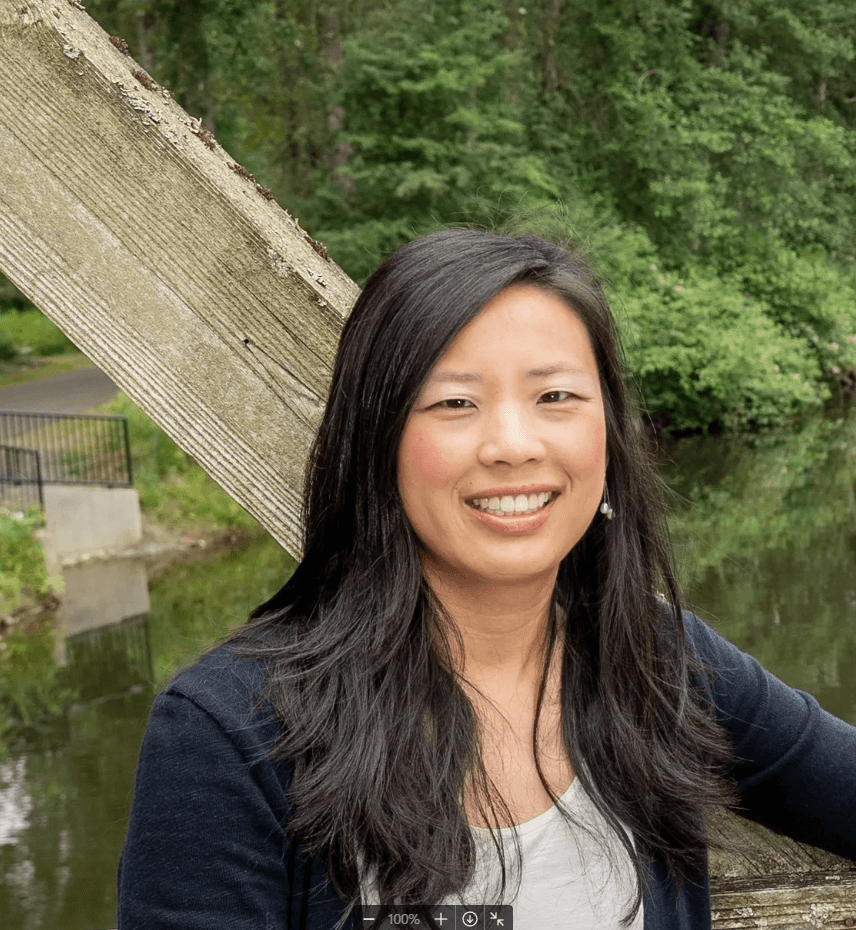
Boundaries vs. Requests: Setting Limits Without Escalation by Alyssa Blask Campbell
Nov 4, 2026
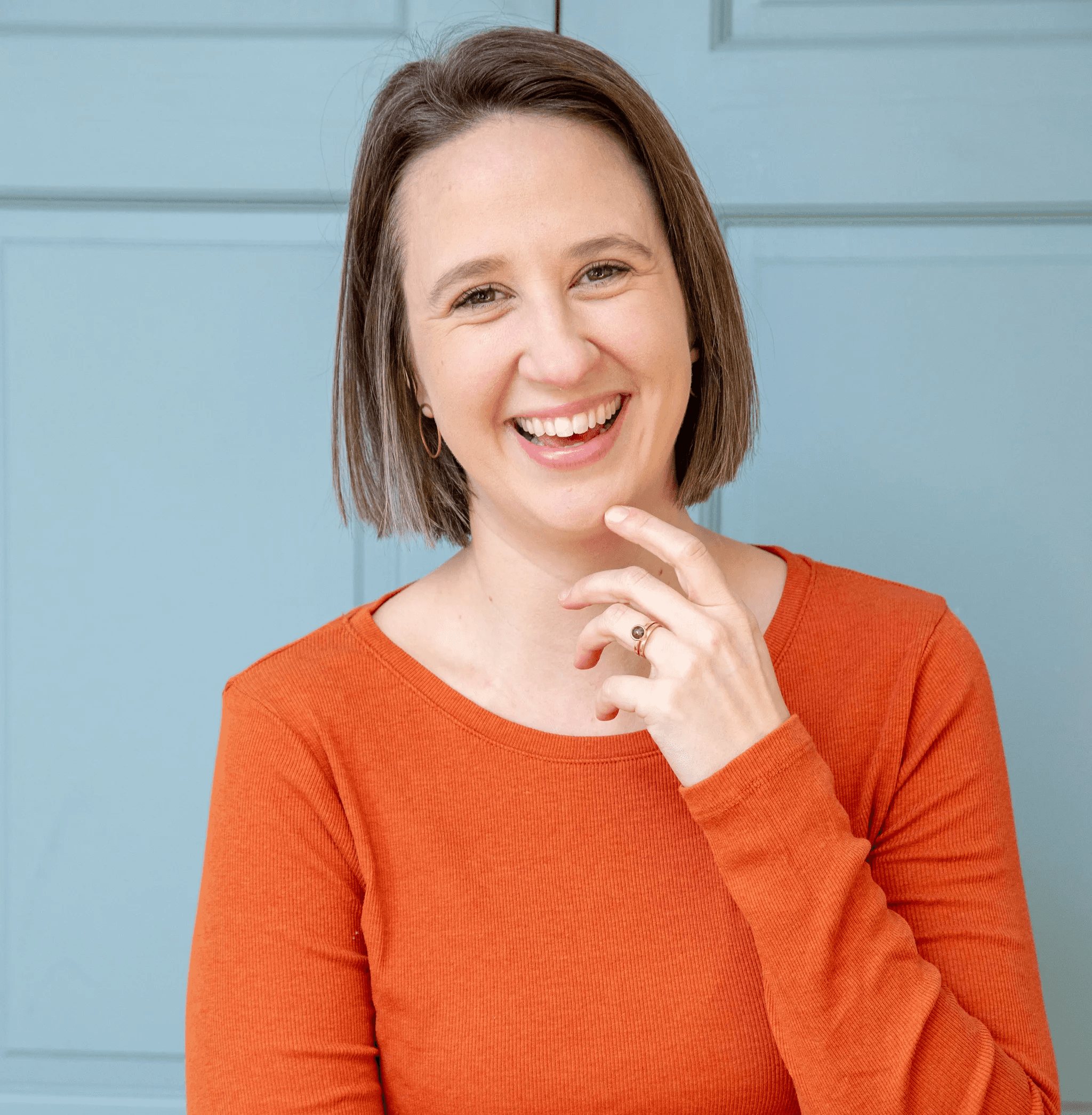
HuUbuntu: I Am Because We Are - Way of Life by Dr. Patrick Makokoro
Nov 5, 2026

Inspiring Terrific Toddlers 1: Why Do They Do That? Promoting Toddler Development to Reduce Frustrating Behaviors by Raelene Ostberg
Nov 11, 2026

When to Say When: Building Confidence in Supporting Neurodivergent and Developing Minds Part II: Direct Guidance, by Michele Hemenway Pullen
Nov 18, 2026
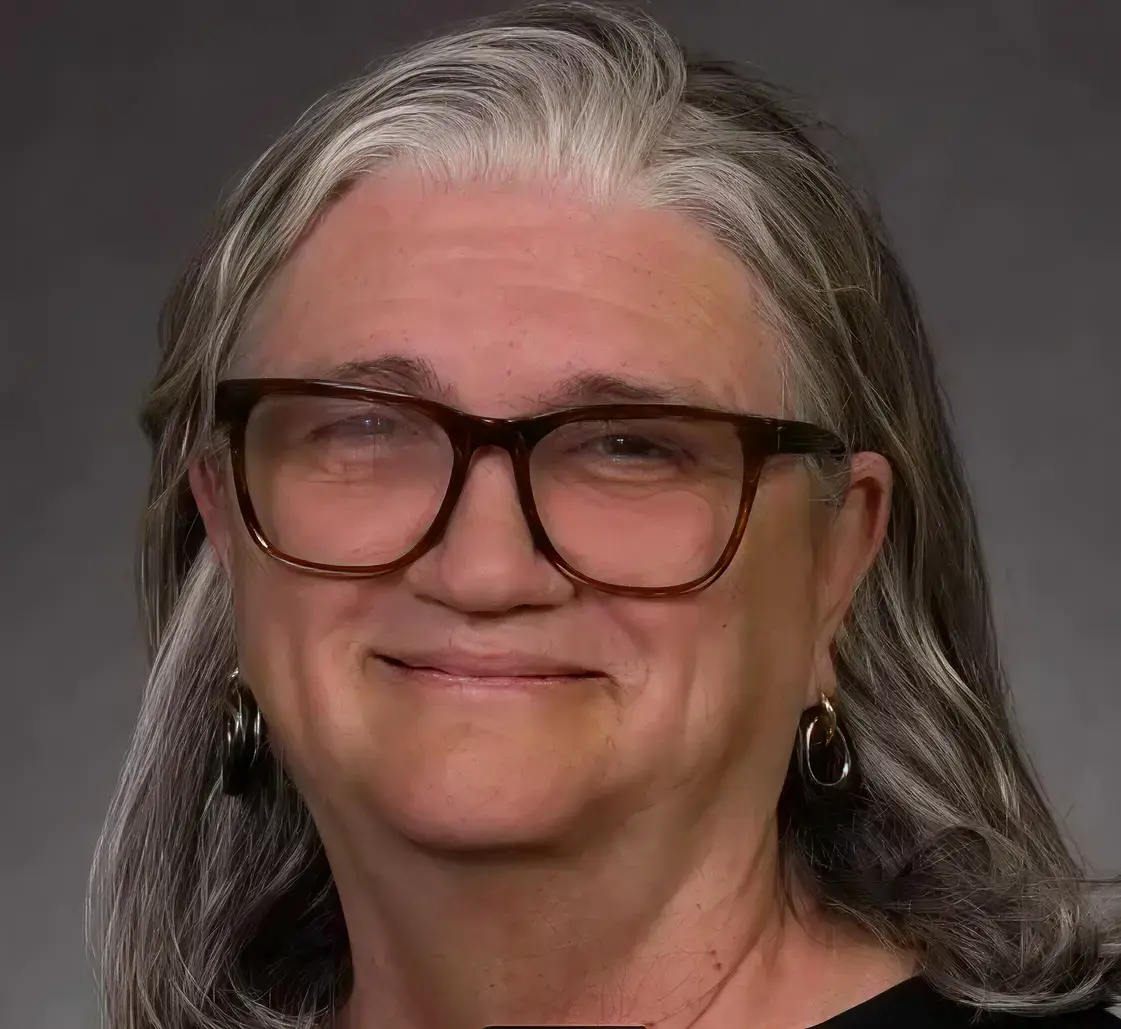
This is Your Brain on Fairytales: Storytelling, Neuroscience, and Connecting the Dots in Early Childhood by Stephanie Goloway
Nov 19, 2026

Talk, Play, Read, Sing: The Language Nutrition Approach to Creating Powerful Language Environments for Young Children by Jennifer Adams Oppenheimer
Dec 3, 2026

Inspiring Terrific Toddlers 2: Evidence-Based Strategies to Set Effective Limits and Gain Gleeful Cooperation by Raelene Ostberg
Dec 9, 2026
Through the Child’s Eyes: Creating Responsive Classrooms Through Observation, Interaction, and Belonging by Lori Kowit, M.A.
Dec 10, 2026
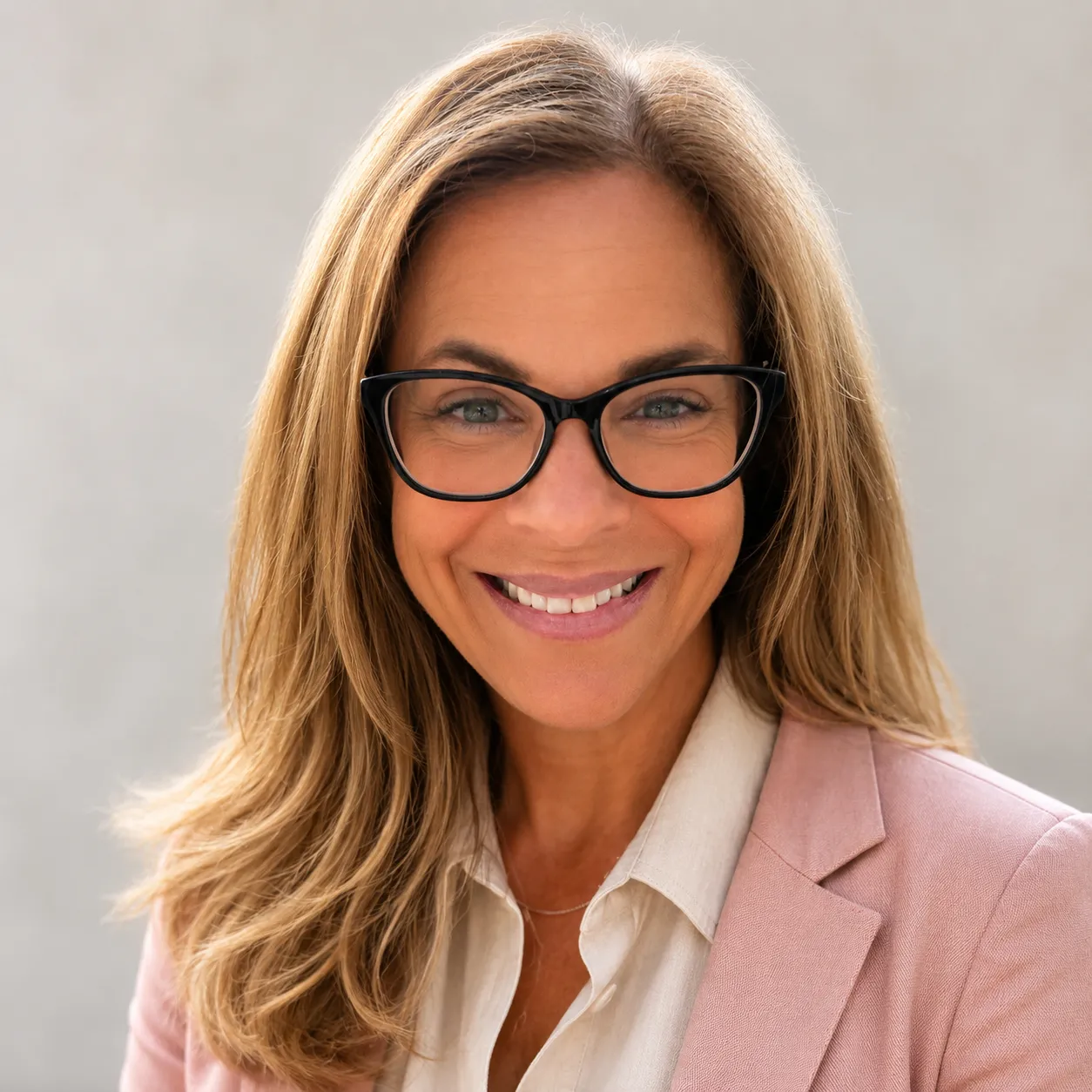
Pause, Ponder, Play: The Power of Time in Nature-Based Learning by Dr. Rachel Larimore
Dec 16, 2026

Learning Beyond the Fence: Safe and Meaningful Nature-Based Learning Outside the Fenced Play Area by Dr. Rachel Larimore
Jan 20, 2027
Frequently Asked Questions
How do I earn an official certificate?
Are there any prerequisites for attending a webinar?
Do you provide CEUs?
What is the format and learning environment of your live webinars?
How much does it cost to register for or attend a webinar?
How can I access an on-demand recording?
Can I earn a certificate by watching a recording?
How do I earn a certificate of attendance?
If I'm attending with a group, can we all earn a certificate of attendnace?
Free Certificates of Attendance
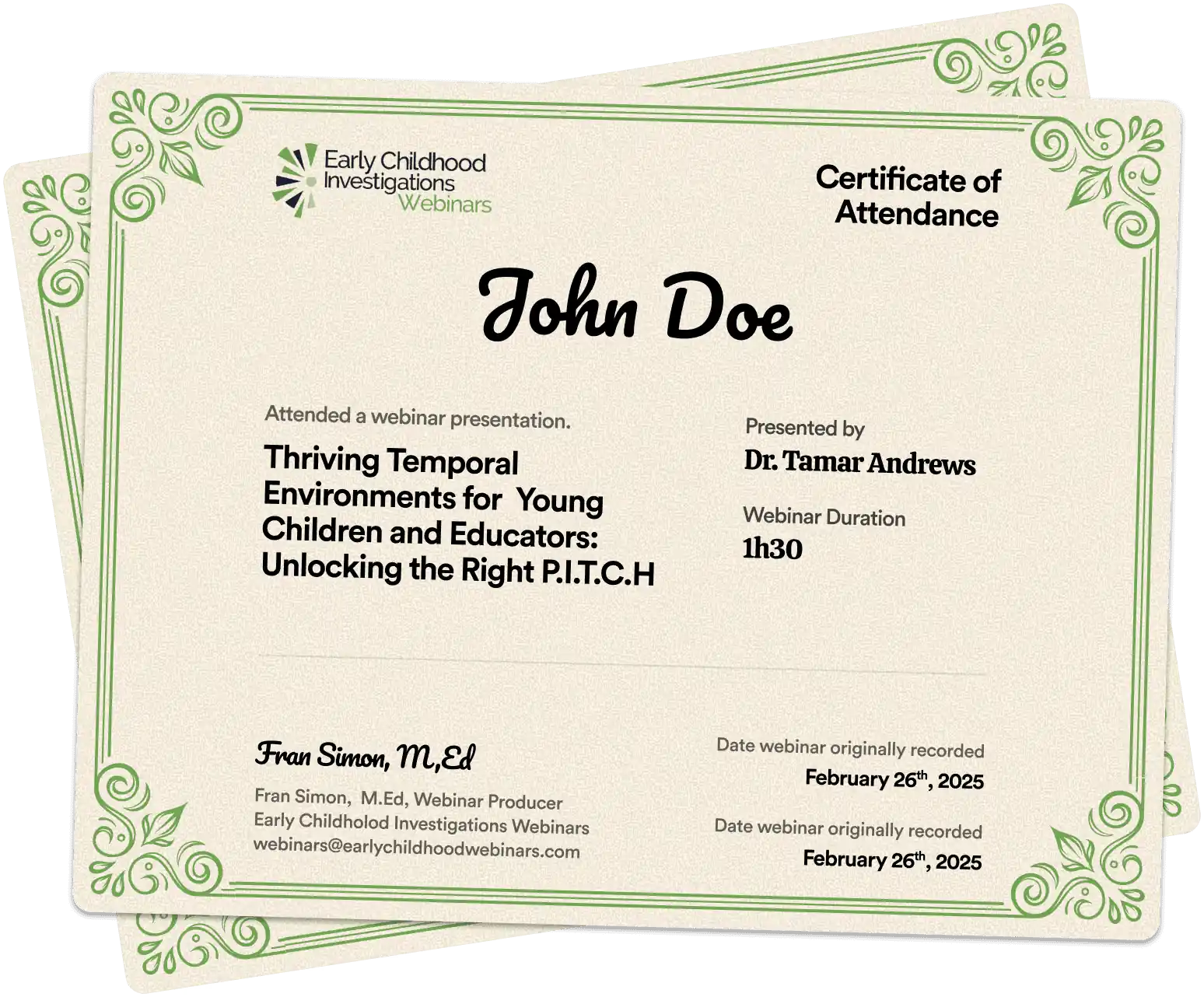
Attend the live webinar and stay from the beginning to the very end to automatically receive an official, personalized certificate by email within one week of the live webinar.
If you arrive late to the live webinar or watch the recording, you can download the blank certificate by entering the link announced and displayed at the end of the webinar into your browser.