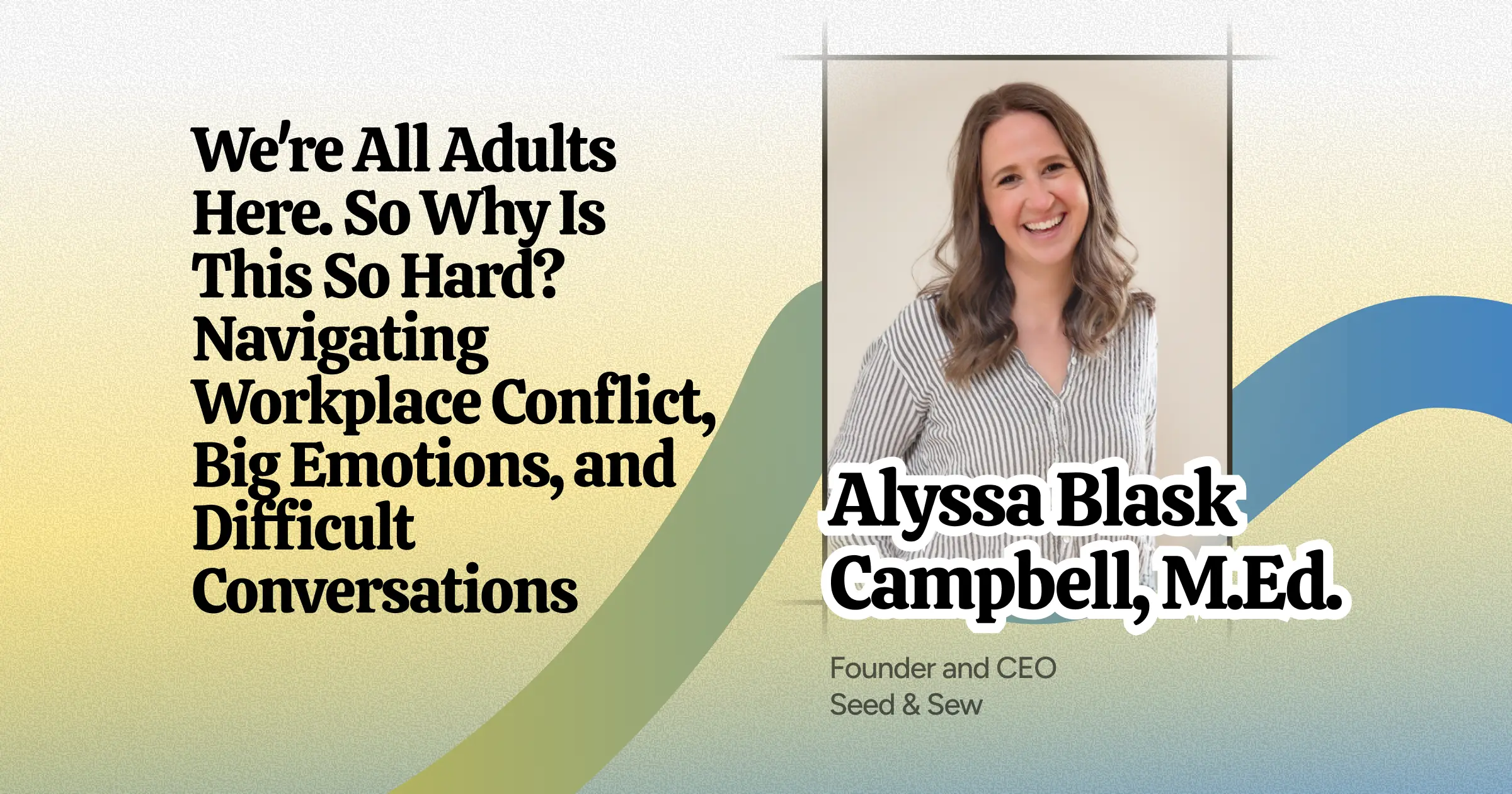
We're All Adults Here. So Why Is This So Hard? Navigating Workplace Conflict, Big Emotions, and Difficult Conversations by Alyssa Blask Campbell, M.Ed.
2 PM - 3:30 PM EST
Register for link
Resources
About this webinar
Workplace culture is shaped by how we communicate, respond to feedback, and navigate conflict. In early childhood education, where relationships are at the heart of everything we do, even small misunderstandings can create tension, erode trust, and leave colleagues feeling frustrated or unheard. And sometimes, the hardest part is recognizing our own role in the dynamic.
But what if understanding how our nervous systems respond to stress could help us navigate these challenges differently?
Join us for an insightful and practical session exploring how nervous system responses, sensory needs, and emotional regulation influence adult behavior and workplace relationships. We'll examine why difficult conversations can trigger strong reactions, how to recognize signs of dysregulation in ourselves and others, and what we can do to respond more intentionally rather than escalate tension.
Through relatable workplace scenarios and actionable strategies, you'll discover ways to navigate challenging conversations with colleagues, supervisors, and families, communicate more effectively under stress, and build stronger, more trusting relationships.
You'll leave with practical tools to manage your own emotional responses, approach difficult conversations with greater confidence, and contribute to a workplace culture where people feel safe to communicate openly, work through challenges, and grow together.
Learning Outcomes
By the end of this webinar, participants will be able to:
Recognize how nervous system states, sensory needs, and emotional responses influence adult behavior during workplace stress, feedback, and conflict.
Apply communication and conflict-resolution strategies to navigate difficult conversations with colleagues, supervisors, and families.
Identify signs of personal dysregulation and select appropriate in-the-moment regulation strategies to support clearer communication and emotional safety in workplace interactions.
Disclosure
Alyssa Blask Campbell is the founder and CEO of Seed & Sew, the company that developed the Regulation Questionnaire. She has a financial interest in the company and its products. The Regulation Questionnaire will be referenced during this workshop as a free tool to help adults better understand individual nervous system patterns and identify supportive strategies.
Upcoming Webinars
The Enrollment Hot Seat: A Live Marketing Workshop with Three Real Child Care Programs by Bruce Spurr
Nov 3, 2026

Boundaries vs. Requests: Setting Limits Without Escalation by Alyssa Blask Campbell
Nov 4, 2026
HuUbuntu: I Am Because We Are - Way of Life by Dr. Patrick Makokoro
Nov 5, 2026

Inspiring Terrific Toddlers 1: Why Do They Do That? Promoting Toddler Development to Reduce Frustrating Behaviors by Raelene Ostberg
Nov 11, 2026

When to Say When: Building Confidence in Supporting Neurodivergent and Developing Minds Part II: Direct Guidance, by Michele Hemenway Pullen
Nov 18, 2026
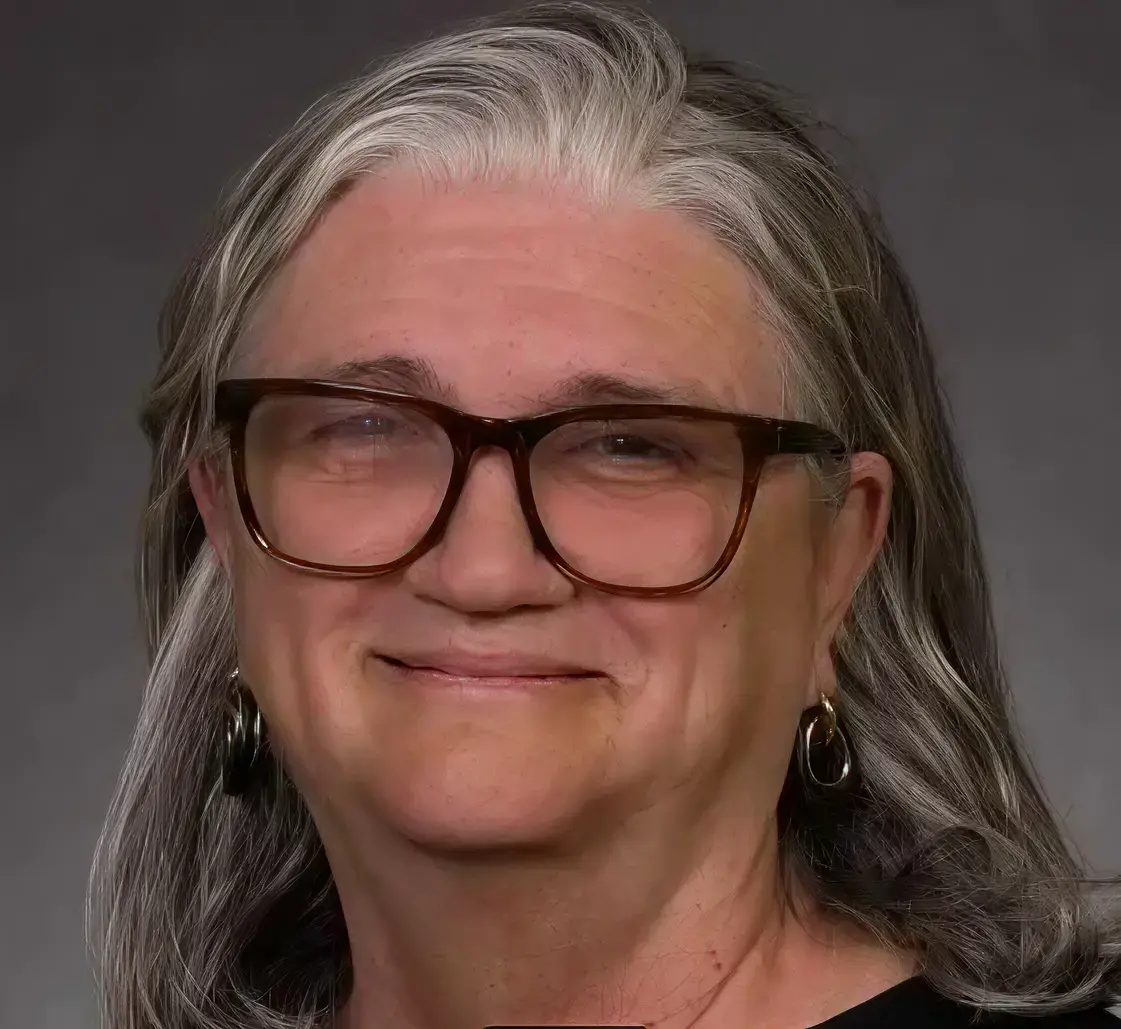
This is Your Brain on Fairytales: Storytelling, Neuroscience, and Connecting the Dots in Early Childhood by Stephanie Goloway
Nov 19, 2026

Hyperlocal Marketing: Turn Community Connections into Child Care Enrollment by Kate Woodward Young, M.Ed. and Carrie Casey
Dec 1, 2026
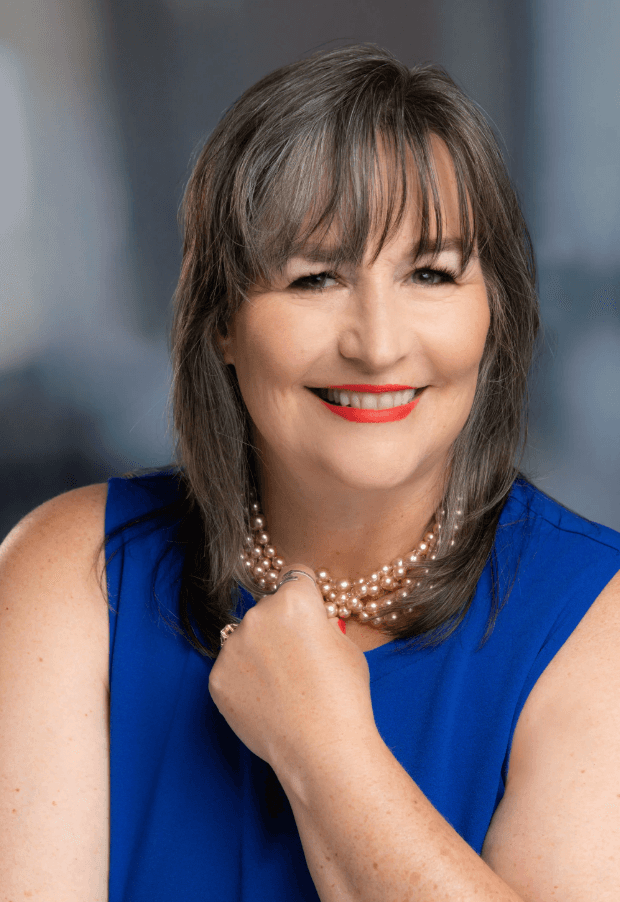
Talk, Play, Read, Sing: The Language Nutrition Approach to Creating Powerful Language Environments for Young Children by Jennifer Adams Oppenheimer
Dec 3, 2026

Ready for 2027? Need an Assistant? Let AI Help You Work Smarter by Monique Reynolds
Dec 8, 2026

Inspiring Terrific Toddlers 2: Evidence-Based Strategies to Set Effective Limits and Gain Gleeful Cooperation by Raelene Ostberg
Dec 9, 2026
Through the Child’s Eyes: Creating Responsive Classrooms Through Observation, Interaction, and Belonging by Lori Kowit, M.A.
Dec 10, 2026
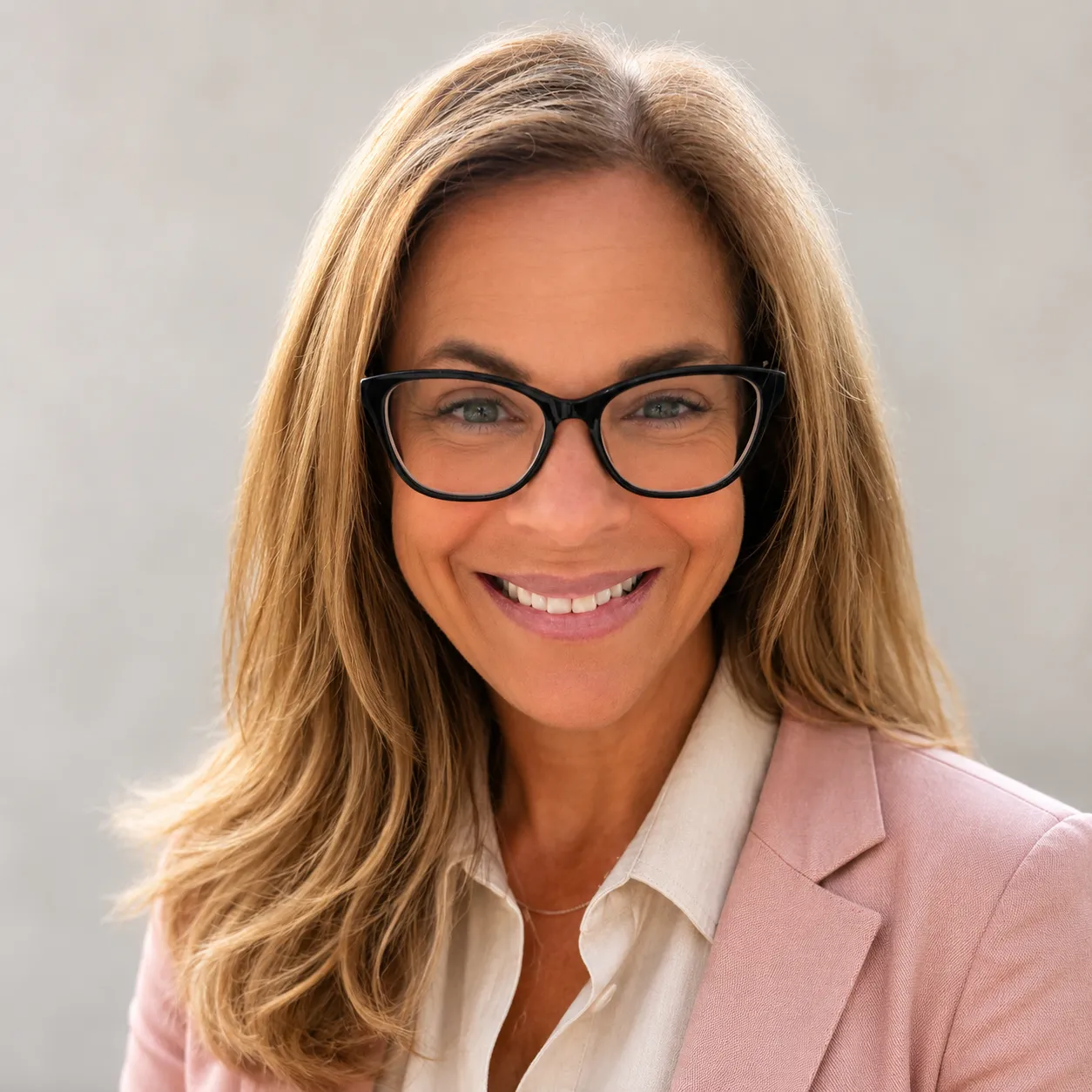
Pause, Ponder, Play: The Power of Time in Nature-Based Learning by Dr. Rachel Larimore
Dec 16, 2026

Improving Young Children's Self-Regulation and Healthy Eating Habits: Four Core Guidance Strategies by Sarah Braaten, Ph.D.
Dec 17, 2026
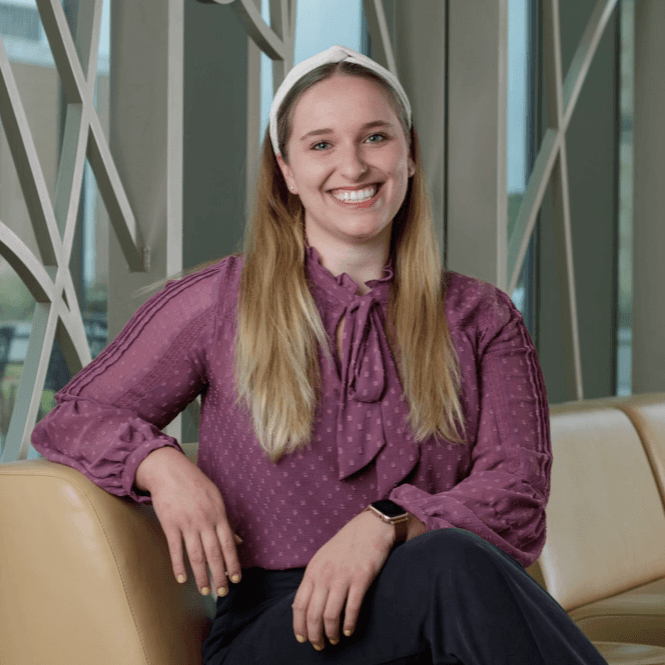
Father Engagement in Early Childhood: Creating Programs Where Fathers Belong by Amanda Quiroz-Guajardo
Jan 6, 2027
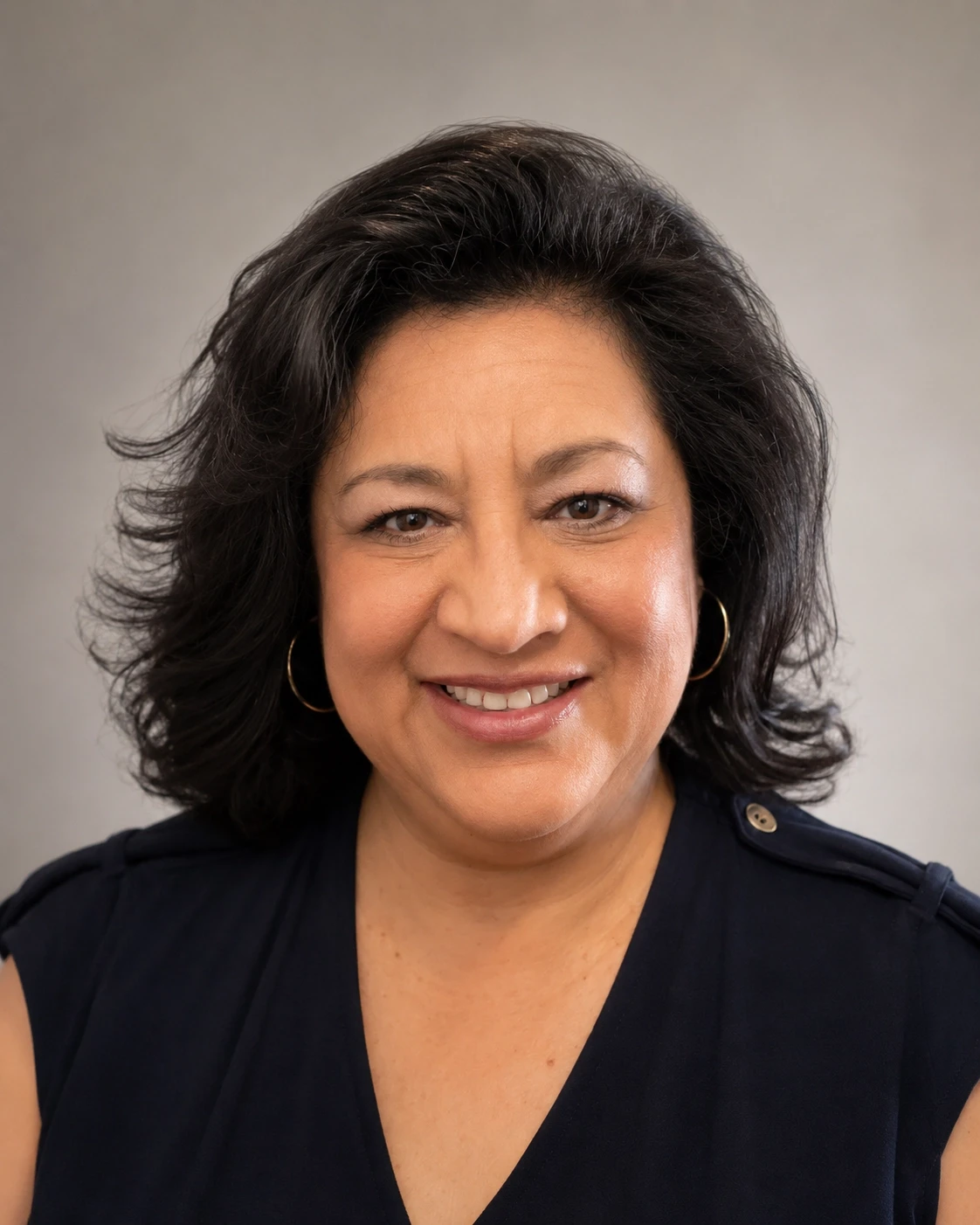
Say It. Mean It. Support It.: Accountability That Builds People by Melissa Blotter
Jan 7, 2027

From Observation to Action: Using Documentation and Assessment to Guide Curriculum Planning by Cynthia Terebush, MS, BCISE, CYPFC
Jan 13, 2027

Learning Beyond the Fence: Safe and Meaningful Nature-Based Learning Outside the Fenced Play Area by Dr. Rachel Larimore
Jan 20, 2027
Transition Songs for Toddlers: How Music, Rhythm, and Melody Build Cooperation and Confidence by Cara Tyrrell
Jan 27, 2027

Developmental Screening vs. Assessment: Why Do Both? by Cynthia Terebush, MS, BCISE, CYPFC
Feb 3, 2027
From Screen Time to Time Together: The Power of Just Ten Minutes of Play, Music, and Connection by Anne Meeker Watson, PhD, MT-BC, and Jennifer Adams Oppenheimer, MA, CCC-SLP, BCS-CL
Feb 4, 2027

What's on Your Plate? Supporting Self-Regulation and Healthy Eating Through Family-Style Mealtimes by Sarah Braaten, Ph.D.
Feb 10, 2027
Playful and Engaging Math Instruction for Young Children by Deborah Stipek
Feb 17, 2027

Supporting Dual Language Learners: Building on Language, Culture, and Family Strengths by Amanda Quiroz-Guajardo
Feb 18, 2027
Compassionate Classroom Management: Words That Build Bonds and Boundaries by Cara Tyrrell
Feb 24, 2027
We're All Adults Here. So Why Is This So Hard? Navigating Workplace Conflict, Big Emotions, and Difficult Conversations by Alyssa Blask Campbell, M.Ed.
Mar 3, 2027

Frequently Asked Questions
How do I earn an official certificate?
Are there any prerequisites for attending a webinar?
Do you provide CEUs?
What is the format and learning environment of your live webinars?
How much does it cost to register for or attend a webinar?
How can I access an on-demand recording?
Can I earn a certificate by watching a recording?
How do I earn a certificate of attendance?
If I'm attending with a group, can we all earn a certificate of attendnace?
Free Certificates of Attendance
Attend the live webinar and stay from the beginning to the very end to automatically receive an official, personalized certificate by email within one week of the live webinar.
If you arrive late to the live webinar or watch the recording, you can download the blank certificate by entering the link announced and displayed at the end of the webinar into your browser.