
Priming Children for Language and Literacy Success: A Focus on the Toddler Years, by Betty Bardige, Ed.D.
2 PM - 3:30 PM EST
Register for link

Understanding Principles of Child Development and Learning
Child Development and Learning Theories
Multilingual Teaching and Learning
Inclusive Teaching Strategies
About this webinar
This session is part of the Follett Growing Readers Series

The research is clear: rich language experience gives babies and toddlers an ongoing and increasing advantage. Children who hear more words and more encouraging words as babies and who get more opportunities to hear and use interesting words as toddlers develop vocabularies, communication skills, and social-emotional and intellectual strengths that prime them for ongoing success. Early education and care programs can make an enormous difference – especially in the toddler years.
In this webinar, we will examine recent research and its implications for program policies and teaching practices. We will see how frequent, engaging “play talk” interactions with babies power a toddler language explosion that can start an upward spiral. Young children whose language is strong get more language-building opportunities from adults, books, and peers. With larger vocabularies at school entry, they are likely to become good readers by third grade, and to graduate high school with strong literacy skills.
With attention to dual language learners and children with special needs, we will zero in on the toddler years. We’ll see that toddlers are fully capable of learning two languages, and why it is essential that parents and caregivers speak with them in language(s) in which they can comfortably use a varied vocabulary. We’ll see how many of the things that parents and teachers do naturally scaffold rapid and robust language development. We’ll then look together at how teachers can be more intentional in their use of the most effective language-building strategies and how administrators can support their efforts.
The first step is to remove barriers to communication, structuring spaces, schedules, care-giving arrangements, and home-school connections to maximize opportunities for one-to-one language-building interactions. Using techniques such as Follow the CAR, Powerful Interactions, “Wait, watch and wonder,” “elaborated reminiscing,” interactive book sharing, and positive, proactive guidance, we can help individual children to tell their stories, ask their questions, and use their words to solve problems.
Environments and activities that pique curiosity can spark extended conversations that go beyond the here and now – especially when teachers use questions effectively. Although teachers are often told to simplify their language with toddlers, research suggests a more nuanced approach that connects abstract concepts to concrete experiences and stretches vocabulary. Little children love big words. When teachers and parents share the “juicy words” that children are learning, they can help toddlers develop both impressive vocabularies and impressive knowledge related to their interests – and to extend their learning as they play, pretend, investigate, problem-solve, tell stories, and seek information from people, books, hands-on experience.
Babies and young toddlers get most of their language input and practice from interactions with adults, but older toddlers increasingly learn from peer play. Teachers who are careful language-development observers can facilitate language-building peer interactions and scaffold participation for children who might otherwise be excluded from its benefits.
The basic recipe for a language-rich environment for toddlers is simple: warm relationships, interesting things to talk about, and interested people to talk with. The webinar will offer tools for assessing language environments and helping teachers and families to enhance their language-building habits.
Attend this session and you will be entered to win a CUSTOM Door prize!
When you attend the Growing Readers Series webinars, you will automatically have a chance to win a collection of books and/or other resources customized to your specifications with the personalized expert guidance of the literacy specialists at Follett Early Learning.
All sessions are 1.5 hours long, and include a brief announcement from our sponsor. 2:oo PM – 3:30 PM Eastern Time. See the schedule of upcoming webinars.
Upcoming Webinars
Website-First Marketing: The Simple Marketing System Every ECE Program Needs to Grow Online by Chelsea Denny
Oct 14, 2026

From First Tour to Long-Term Loyalty: Designing the Family & Staff Lifecycle Journey by Melissa Blotter
Oct 15, 2026

Preschoolers and Pixels by Amy Reyes-Hauff, CDHP
Oct 21, 2026
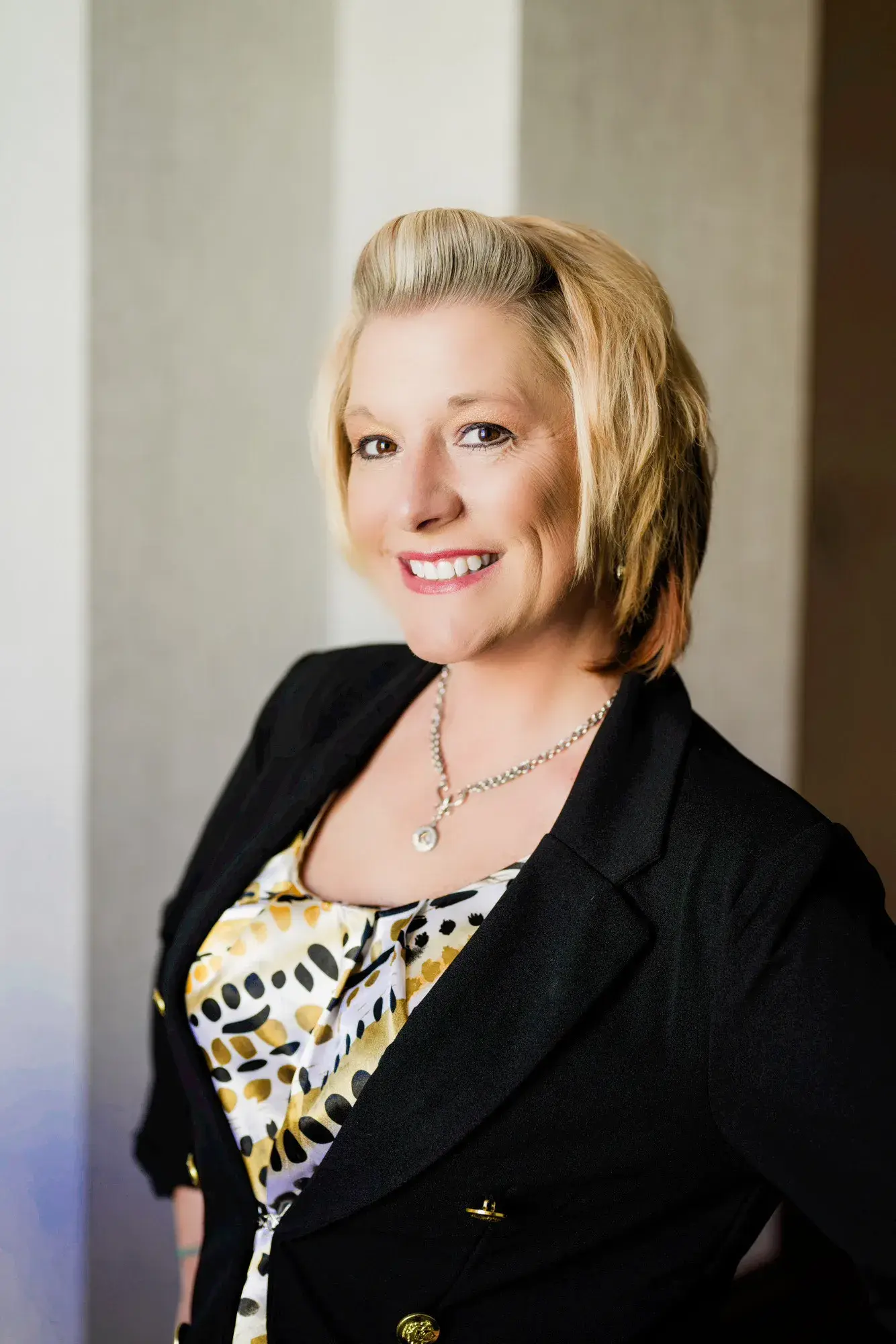
Our Voices Across Generations: AANHPI Educators in Early Childhood Education Panel
Oct 28, 2026
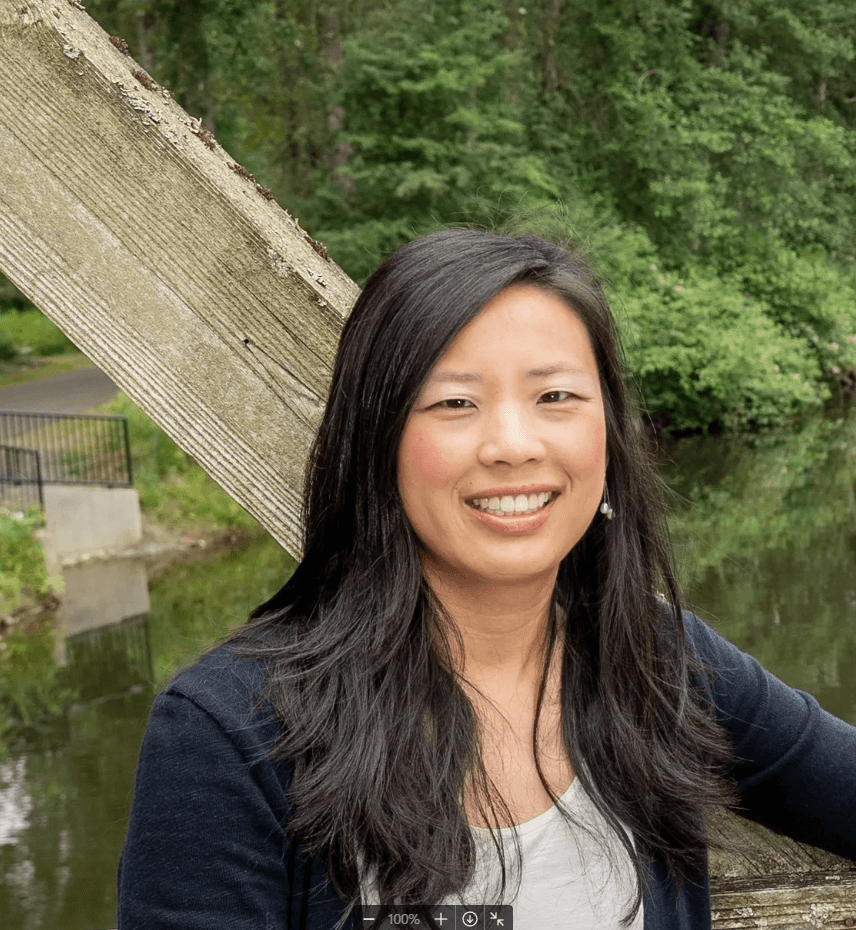
Boundaries vs. Requests: Setting Limits Without Escalation by Alyssa Blask Campbell
Nov 4, 2026
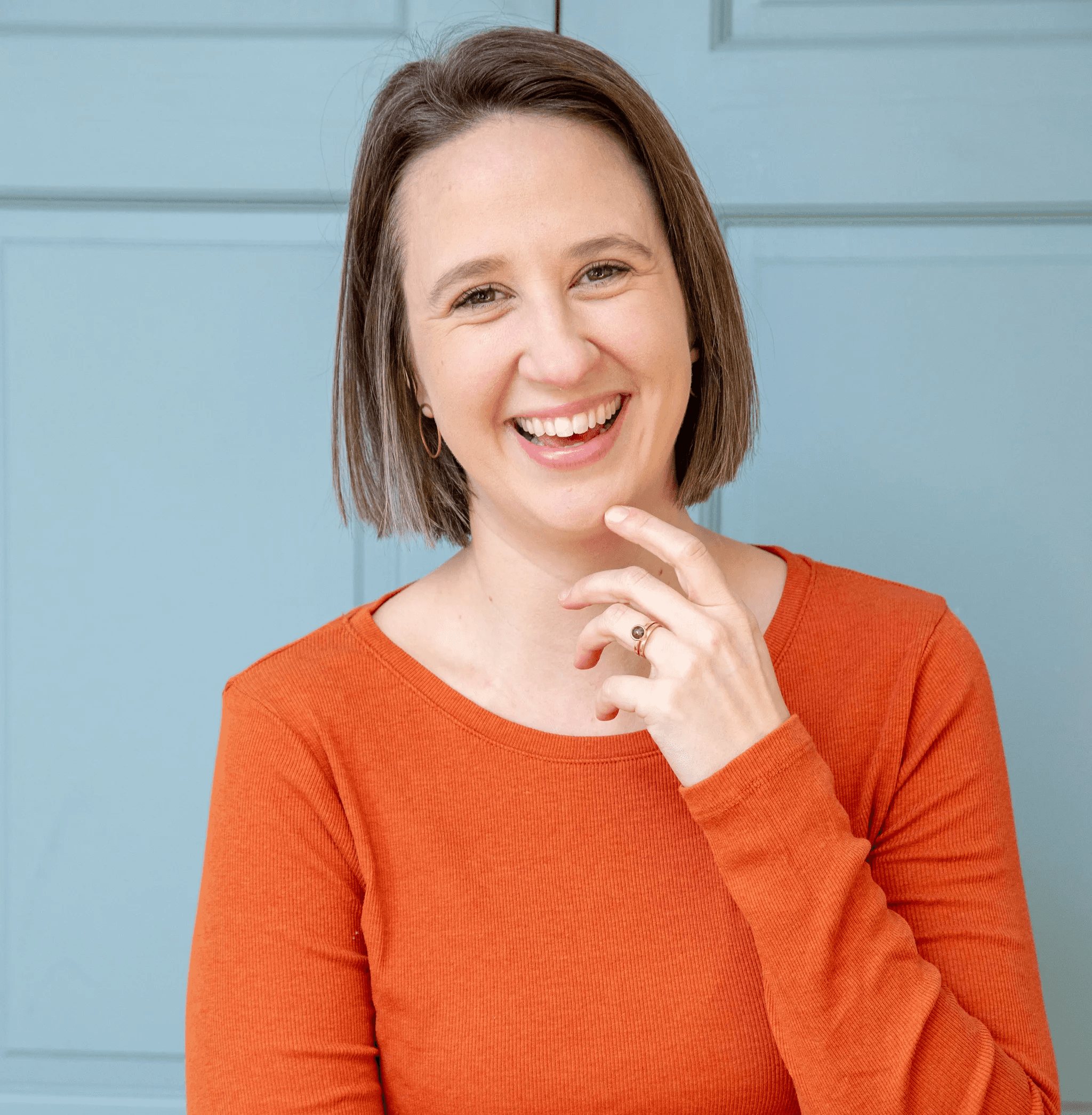
HuUbuntu: I Am Because We Are - Way of Life by Dr. Patrick Makokoro
Nov 5, 2026

Inspiring Terrific Toddlers 1: Why Do They Do That? Promoting Toddler Development to Reduce Frustrating Behaviors by Raelene Ostberg
Nov 11, 2026

When to Say When: Building Confidence in Supporting Neurodivergent and Developing Minds Part II: Direct Guidance, by Michele Hemenway Pullen
Nov 18, 2026
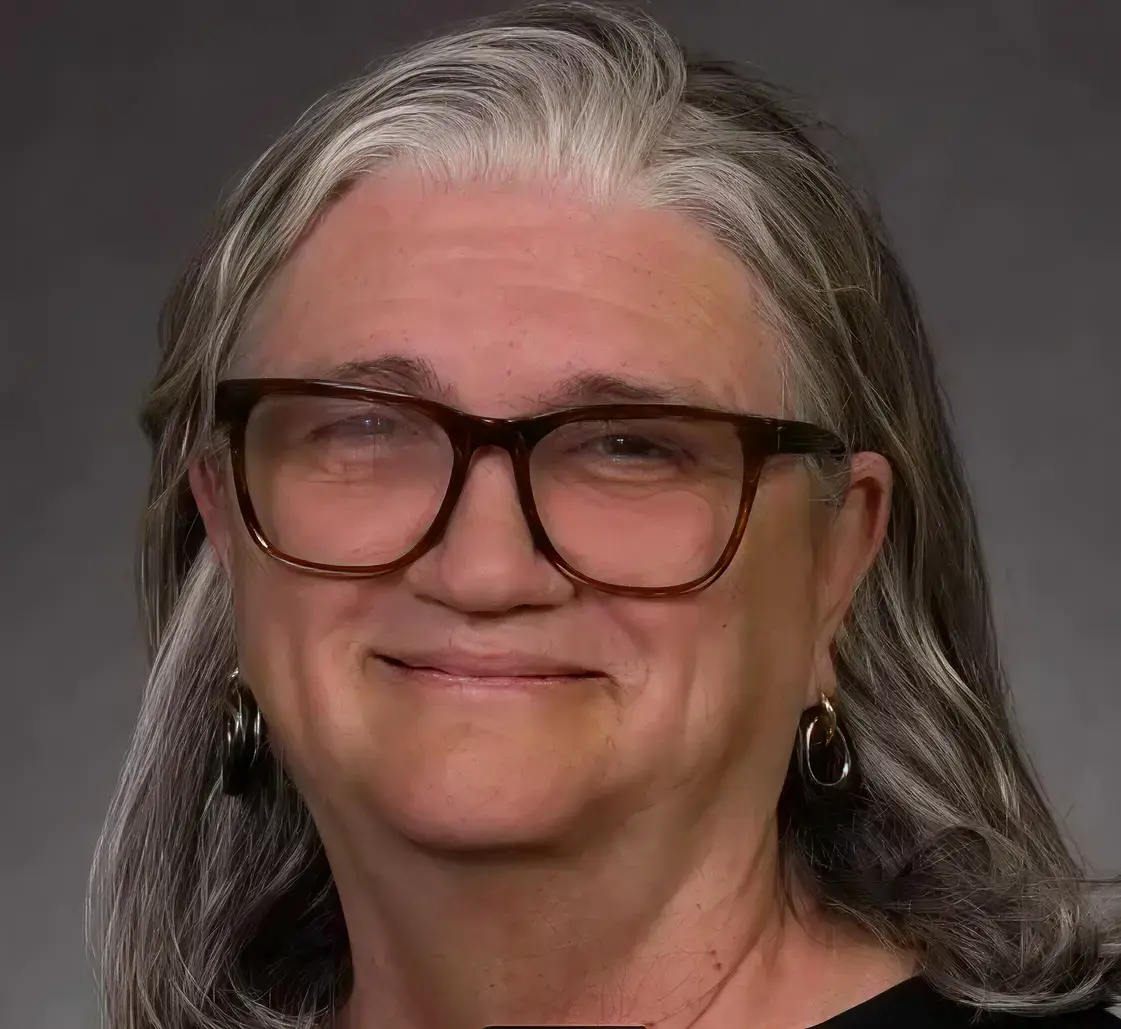
This is Your Brain on Fairytales: Storytelling, Neuroscience, and Connecting the Dots in Early Childhood by Stephanie Goloway
Nov 19, 2026

Talk, Play, Read, Sing: The Language Nutrition Approach to Creating Powerful Language Environments for Young Children by Jennifer Adams Oppenheimer
Dec 3, 2026

Inspiring Terrific Toddlers 2: Evidence-Based Strategies to Set Effective Limits and Gain Gleeful Cooperation by Raelene Ostberg
Dec 9, 2026
Through the Child’s Eyes: Creating Responsive Classrooms Through Observation, Interaction, and Belonging by Lori Kowit, M.A.
Dec 10, 2026
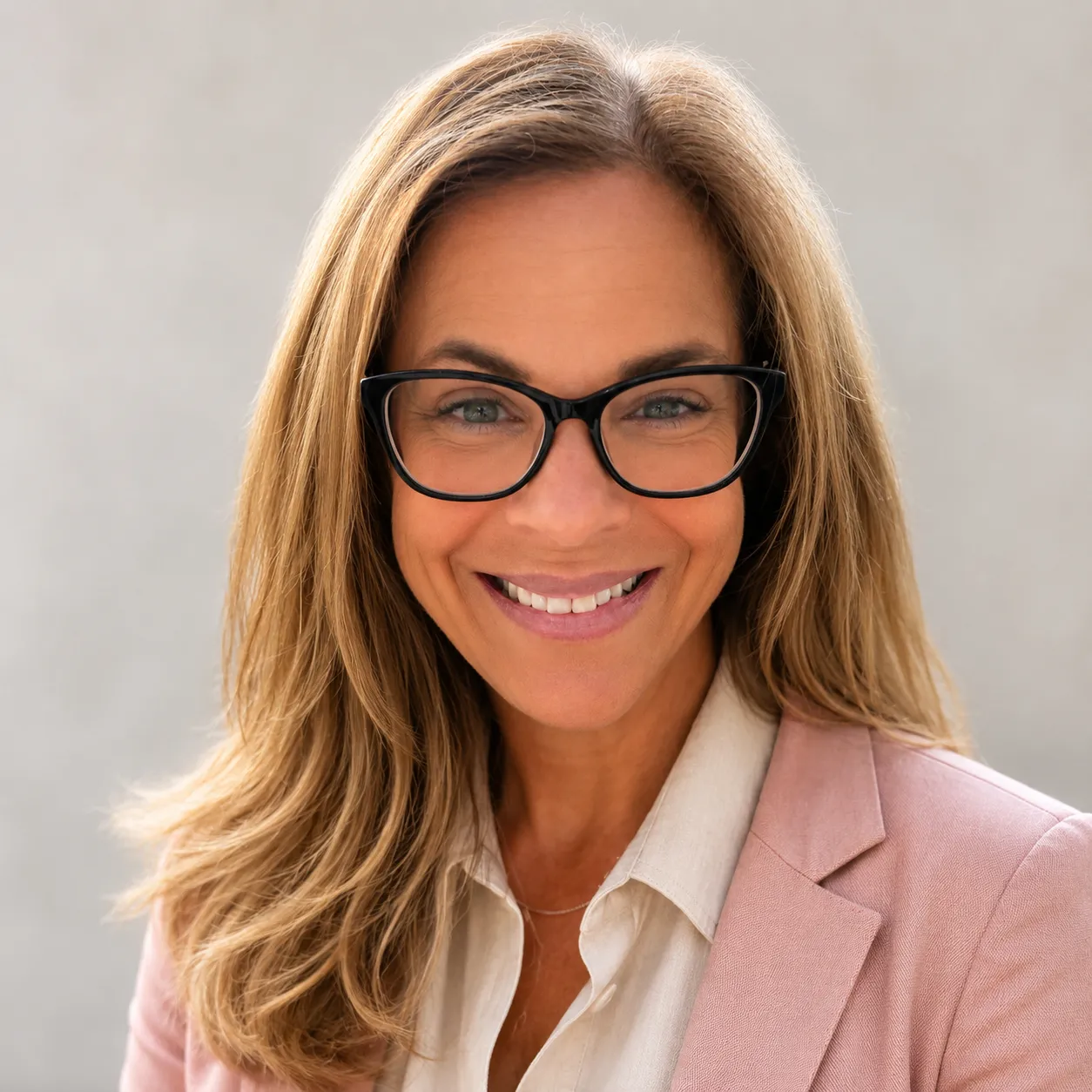
Pause, Ponder, Play: The Power of Time in Nature-Based Learning by Dr. Rachel Larimore
Dec 16, 2026

Learning Beyond the Fence: Safe and Meaningful Nature-Based Learning Outside the Fenced Play Area by Dr. Rachel Larimore
Jan 20, 2027
Frequently Asked Questions
How do I earn an official certificate?
Are there any prerequisites for attending a webinar?
Do you provide CEUs?
What is the format and learning environment of your live webinars?
How much does it cost to register for or attend a webinar?
How can I access an on-demand recording?
Can I earn a certificate by watching a recording?
How do I earn a certificate of attendance?
If I'm attending with a group, can we all earn a certificate of attendnace?
Free Certificates of Attendance
Attend the live webinar and stay from the beginning to the very end to automatically receive an official, personalized certificate by email within one week of the live webinar.
If you arrive late to the live webinar or watch the recording, you can download the blank certificate by entering the link announced and displayed at the end of the webinar into your browser.