The Science of Dual language Learning for Children Birth Through Age Five: Effective Practices that Improve Outcomes, by Linda Espinosa
2 PM - 3:30 PM EST
Register for link

About this webinar
This session is sponsored by Nemours Bright Start!
In this session, Dr. Espinosa will briefly describe a new report from the National Academies of Science, Fostering School Success for DLLs Birth to Eighteen. She will then review what is known about best practices for young DLLs, birth to five, and provide classroom examples of research-based strategies to support the development and achievement of children who are not native English speakers. One of our most critical educational issues facing the nation is how to provide equitable and high quality PreK education that supports long-term school success for children who have been traditionally under served or inappropriately served. New research is shedding light on how to capitalize on DLLs linguistic knowledge and reduce the achievement gap at kindergarten entry this setting the stage for life-long learning. In this session, you will learn which strategies work best and which practices to avoid.
All sessions are 1.5 hours long, and include a brief announcement from our sponsor. 2:oo PM – 3:30 PM Eastern Time. Can’t participate in our webinars at the appointed time? Never fear! All of the webinars are recorded. To view the recording, simply register now and you will receive an email with a link to the recording when it is ready to be viewed. You can still download the certificate by watching the recording to the end when the certificate link is announced and displayed on the screen. *Please be advised that you will only be eligible for the great door prizes if you participate in the live session. See the schedule of upcoming webinars.
Upcoming Webinars
Hyperlocal Marketing: Turn Community Connections into Child Care Enrollment by Kate Woodward Young, M.Ed. and Carrie Casey
Dec 1, 2026
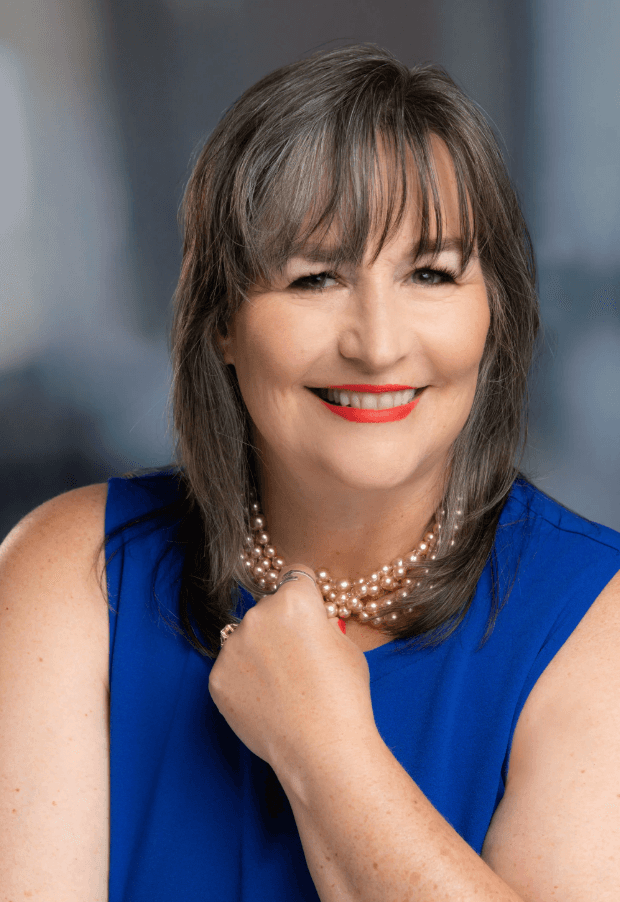
Talk, Play, Read, Sing: The Language Nutrition Approach to Creating Powerful Language Environments for Young Children by Jennifer Adams Oppenheimer
Dec 3, 2026

Ready for 2027? Need an Assistant? Let AI Help You Work Smarter by Monique Reynolds
Dec 8, 2026

Inspiring Terrific Toddlers 2: Evidence-Based Strategies to Set Effective Limits and Gain Gleeful Cooperation by Raelene Ostberg
Dec 9, 2026

Through the Child’s Eyes: Creating Responsive Classrooms Through Observation, Interaction, and Belonging by Lori Kowit, M.A.
Dec 10, 2026
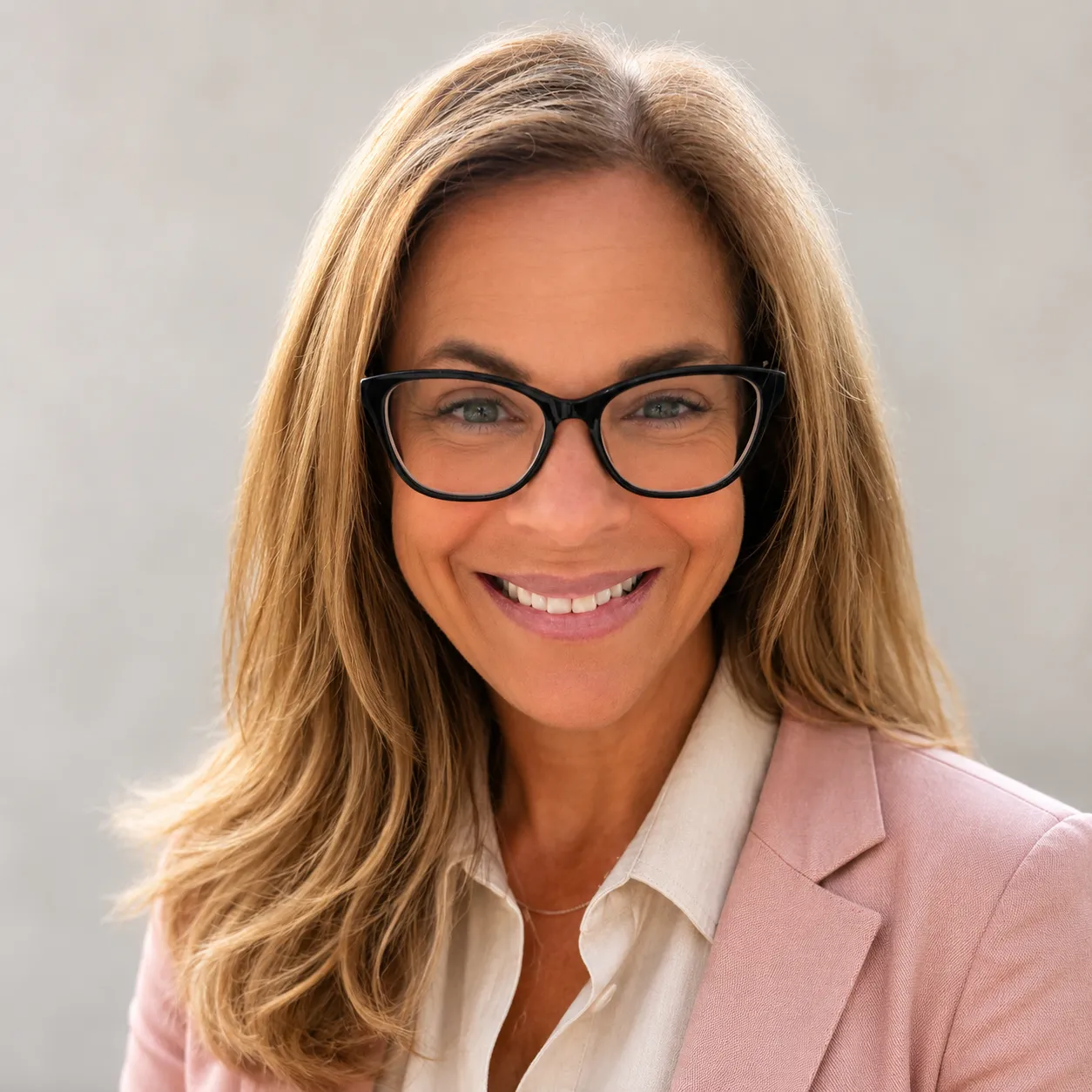
Pause, Ponder, Play: The Power of Time in Nature-Based Learning by Dr. Rachel Larimore
Dec 16, 2026

Improving Young Children's Self-Regulation and Healthy Eating Habits: Four Core Guidance Strategies by Sarah Braaten, Ph.D.
Dec 17, 2026
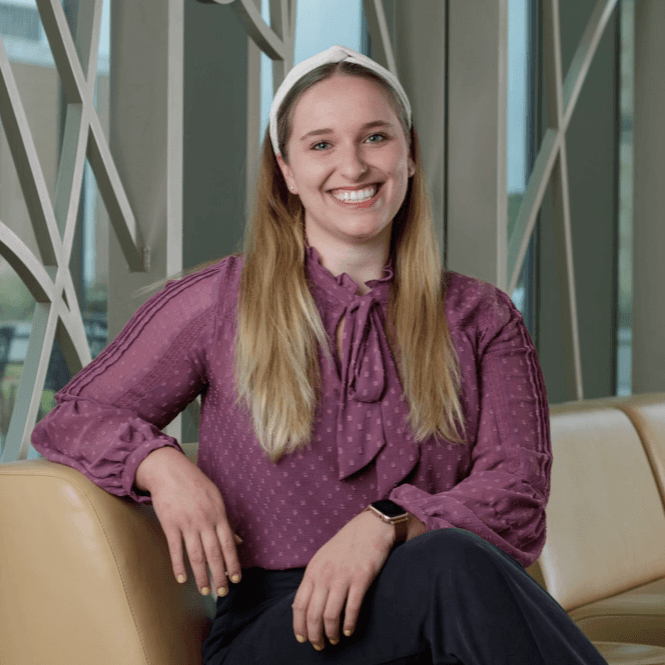
Father Engagement in Early Childhood: Creating Programs Where Fathers Belong by Amanda Quiroz-Guajardo
Jan 6, 2027
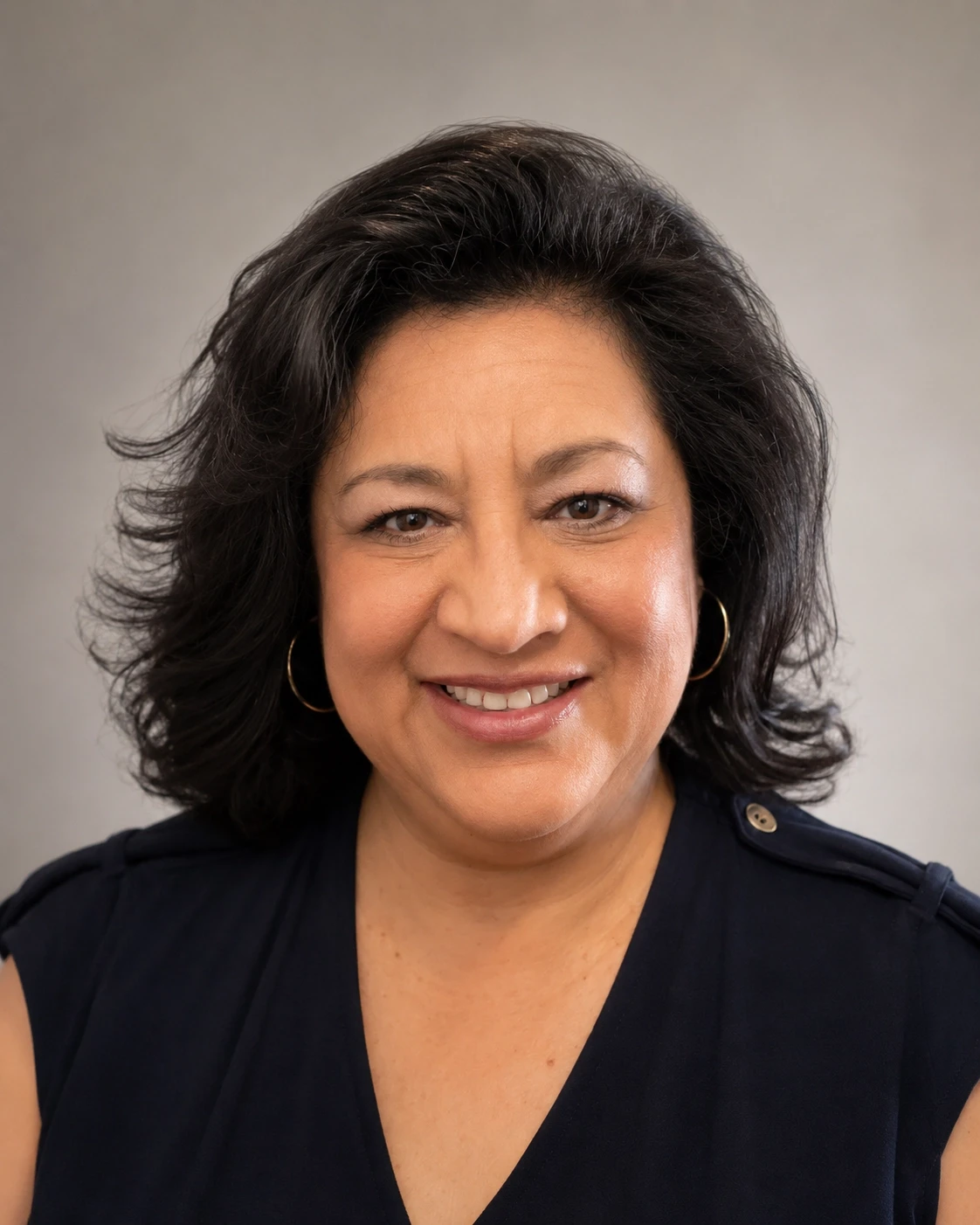
Say It. Mean It. Support It.: Accountability That Builds People by Melissa Blotter
Jan 7, 2027

From Observation to Action: Using Documentation and Assessment to Guide Curriculum Planning by Cynthia Terebush, MS, BCISE, CYPFC
Jan 13, 2027

Learning Beyond the Fence: Safe and Meaningful Nature-Based Learning Outside the Fenced Play Area by Dr. Rachel Larimore
Jan 20, 2027
Tantrums, Tears, and Tough Moments: Rethinking How We Respond to Young Children by Claire Lerner, LICSW
Jan 21, 2027

Transition Songs for Toddlers: How Music, Rhythm, and Melody Build Cooperation and Confidence by Cara Tyrrell
Jan 27, 2027

Thinking on Your Feet: Crisis Preparedness and Response in Inclusive Early Childhood Classrooms by Susan H. Shapiro, MS.Ed., Ed. D.
Jan 28, 2027

Developmental Screening vs. Assessment: Why Do Both? by Cynthia Terebush, MS, BCISE, CYPFC
Feb 3, 2027
From Screen Time to Time Together: The Power of Just Ten Minutes of Play, Music, and Connection by Anne Meeker Watson, PhD, MT-BC, and Jennifer Adams Oppenheimer, MA, CCC-SLP, BCS-CL
Feb 4, 2027

What's on Your Plate? Supporting Self-Regulation and Healthy Eating Through Family-Style Mealtimes by Sarah Braaten, Ph.D.
Feb 10, 2027
When Parents Don’t See What We See: Communicating with Families About Children's Challenging Behaviors Without Straining Relationships by Raelene Ostberg
Feb 11, 2027
Playful and Engaging Math Instruction for Young Children by Deborah Stipek
Feb 17, 2027

Supporting Dual Language Learners: Building on Language, Culture, and Family Strengths by Amanda Quiroz-Guajardo
Feb 18, 2027
Compassionate Classroom Management: Words That Build Bonds and Boundaries by Cara Tyrrell
Feb 24, 2027
We're All Adults Here. So Why Is This So Hard? Navigating Workplace Conflict, Big Emotions, and Difficult Conversations by Alyssa Blask Campbell, M.Ed.
Mar 3, 2027

What We Heal, What We Hand Down: Black Wisdom, Collective Care, and Wellbeing in Early Childhood Education by Michael Browne, MBA
Mar 17, 2027

Plant the Seed: Setting Your Annual Intentions for a Blooming Curriculum Year by Heather Jackson
Mar 25, 2027

The Kids are All Right, but How are You? Sustaining Teacher Wellbeing Through Educator Community by Cathi Miller, PhD
Mar 31, 2027

Frequently Asked Questions
How do I earn an official certificate?
Are there any prerequisites for attending a webinar?
Do you provide CEUs?
What is the format and learning environment of your live webinars?
How much does it cost to register for or attend a webinar?
How can I access an on-demand recording?
Can I earn a certificate by watching a recording?
How do I earn a certificate of attendance?
If I'm attending with a group, can we all earn a certificate of attendnace?
Free Certificates of Attendance
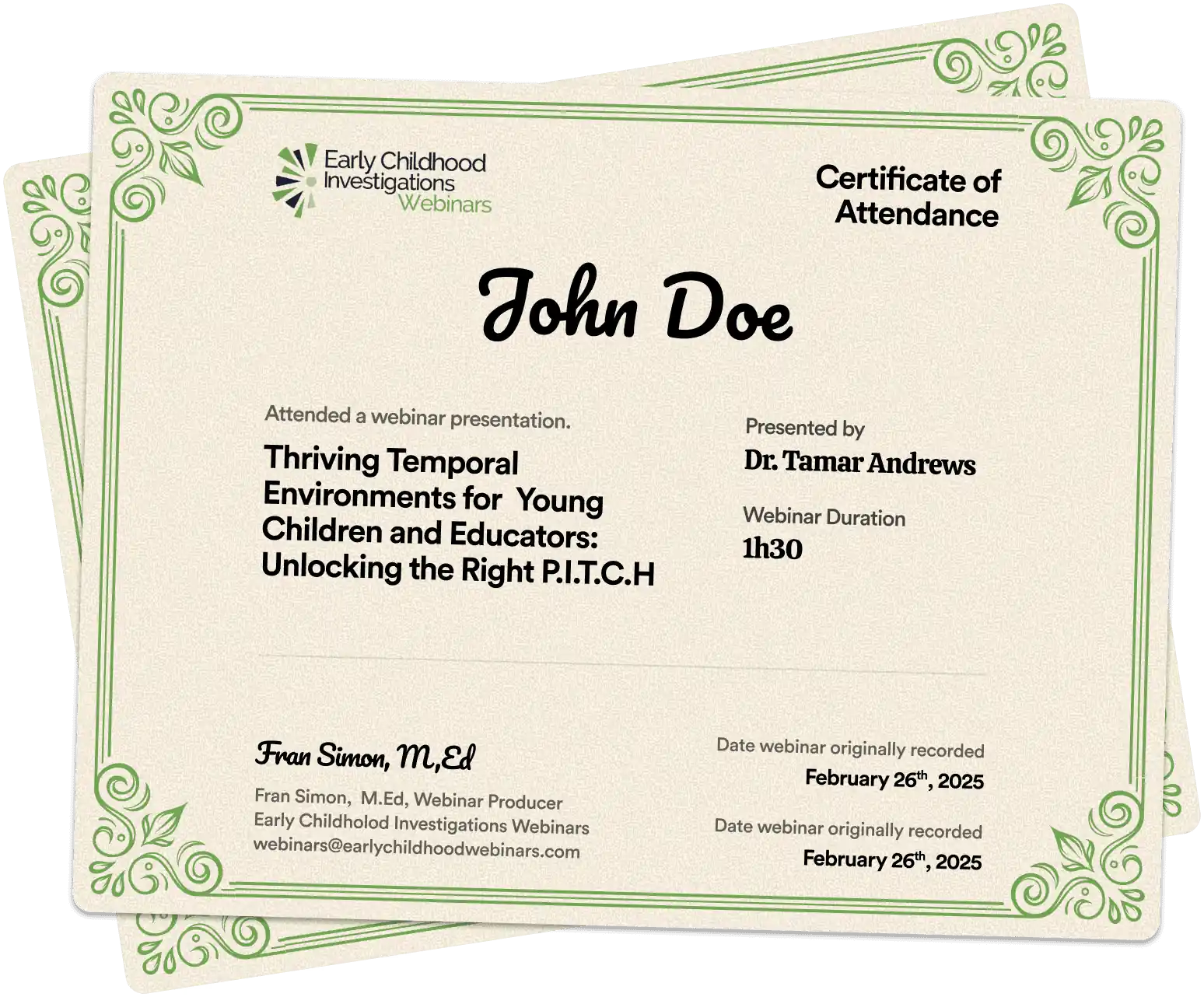
Attend the live webinar and stay from the beginning to the very end to automatically receive an official, personalized certificate by email within one week of the live webinar.
If you arrive late to the live webinar or watch the recording, you can download the blank certificate by entering the link announced and displayed at the end of the webinar into your browser.