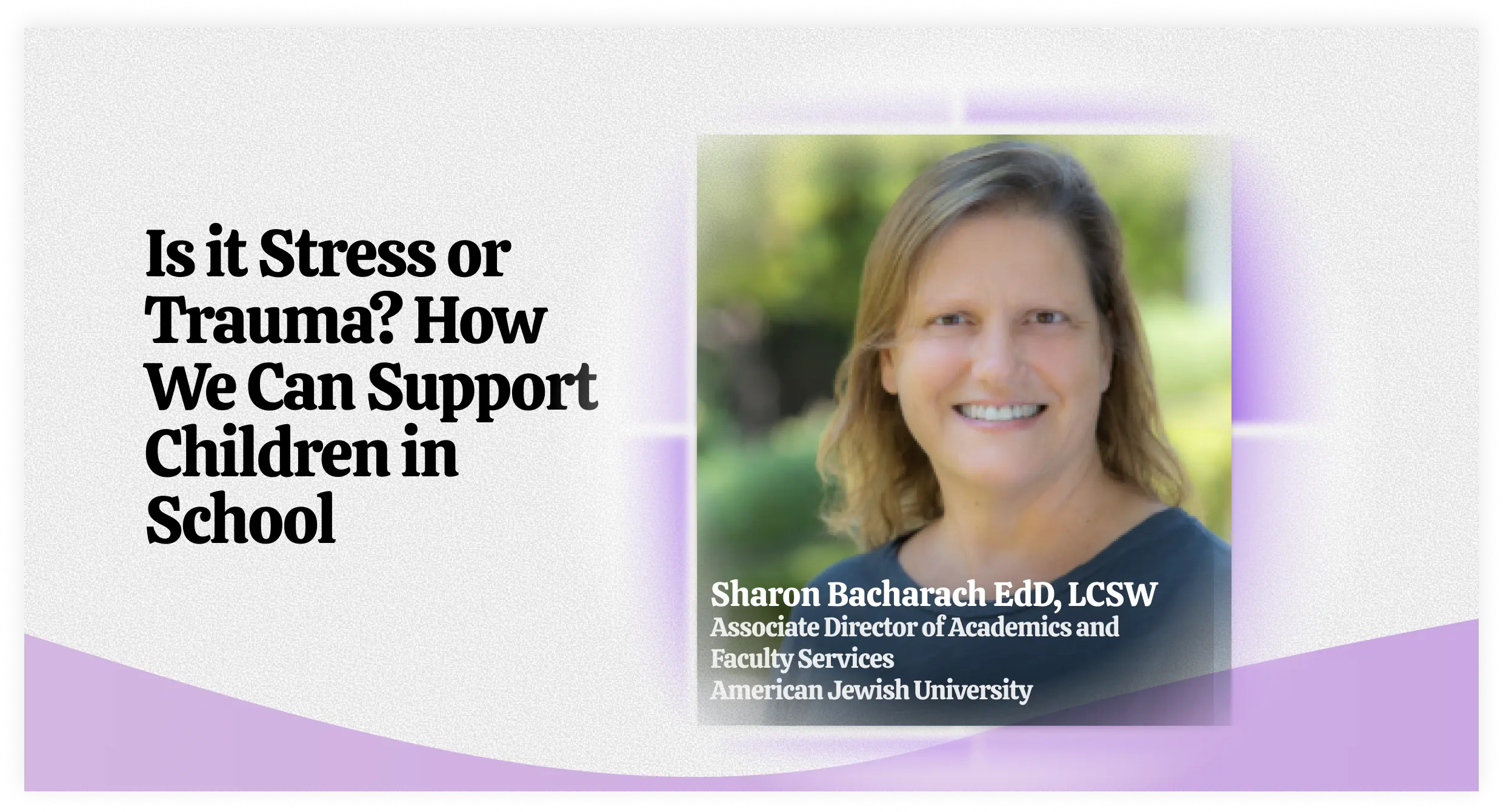
Is it Stress or Trauma? How We Can Support Children in School by Sharon Bacharach EdD, LCSW
2 PM - 3:30 PM EST
Register for link
Supporting Children's Social and Emotional Development
Inclusive Teaching Strategies
About this webinar
What is a child’s behavior trying to tell you—and are we sometimes missing the real story? In early childhood settings, challenging behaviors can easily be misread. Children who have experienced trauma or chronic stress may display symptoms that mirror those of ADHD—leading to misdiagnoses and missed opportunities for healing. Understanding the difference is critical to offering the right support.
In this insightful and practical webinar, Sharon Bacharach, Ed.D., L.C.S.W., will guide you in recognizing the behavioral signals of trauma and stress in young children. Drawing on over 30 years of experience as a social worker and early childhood educator, Dr. Bacharach will help you explore how trauma presents in the classroom and what educators can do to respond with empathy and effectiveness. You’ll learn when to dig deeper, how to distinguish between trauma and other behavioral challenges, and which classroom strategies can help children feel safe, supported, and regulated. Walk away with a toolbox of concrete ideas you can implement immediately to better support the children in your care.
Learning objectives, participants will be able to:
• Understand their role as educators when working with children who have experienced stress or trauma.
• Recognize signs in children that may indicate exposure to trauma.
• Lead activities that support children's self-regulation.
Upcoming Webinars
Website-First Marketing: The Simple Marketing System Every ECE Program Needs to Grow Online by Chelsea Denny
Oct 14, 2026

From First Tour to Long-Term Loyalty: Designing the Family & Staff Lifecycle Journey by Melissa Blotter
Oct 15, 2026
Preschoolers and Pixels by Amy Reyes-Hauff, CDHP
Oct 21, 2026

Our Voices Across Generations: AANHPI Educators in Early Childhood Education Panel
Oct 28, 2026

Boundaries vs. Requests: Setting Limits Without Escalation by Alyssa Blask Campbell
Nov 4, 2026

HuUbuntu: I Am Because We Are - Way of Life by Dr. Patrick Makokoro
Nov 5, 2026

Inspiring Terrific Toddlers 1: Why Do They Do That? Promoting Toddler Development to Reduce Frustrating Behaviors by Raelene Ostberg
Nov 11, 2026

When to Say When: Building Confidence in Supporting Neurodivergent and Developing Minds Part II: Direct Guidance, by Michele Hemenway Pullen
Nov 18, 2026
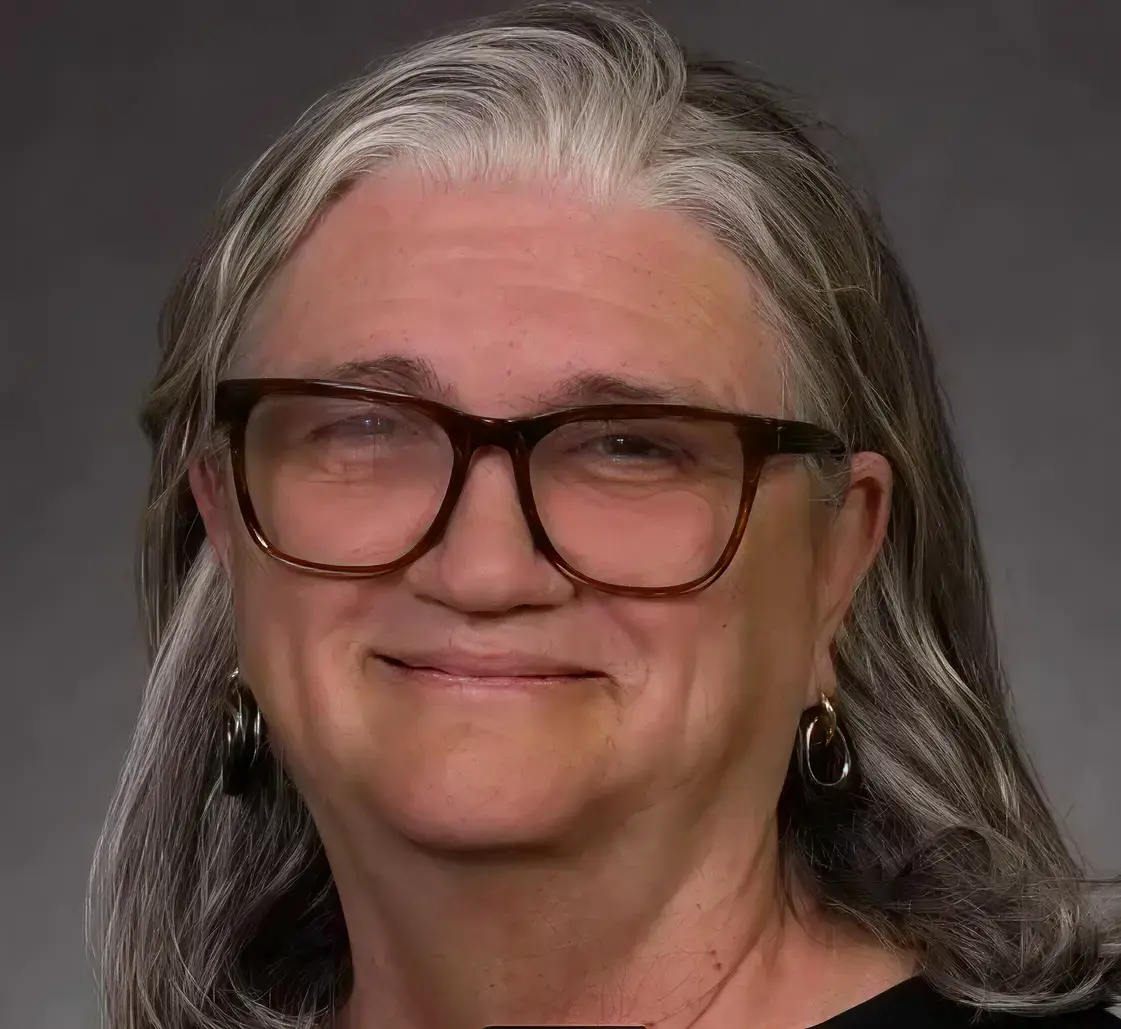
This is Your Brain on Fairytales: Storytelling, Neuroscience, and Connecting the Dots in Early Childhood by Stephanie Goloway
Nov 19, 2026

Talk, Play, Read, Sing: The Language Nutrition Approach to Creating Powerful Language Environments for Young Children by Jennifer Adams Oppenheimer
Dec 3, 2026

Inspiring Terrific Toddlers 2: Evidence-Based Strategies to Set Effective Limits and Gain Gleeful Cooperation by Raelene Ostberg
Dec 9, 2026
Through the Child’s Eyes: Creating Responsive Classrooms Through Observation, Interaction, and Belonging by Lori Kowit, M.A.
Dec 10, 2026
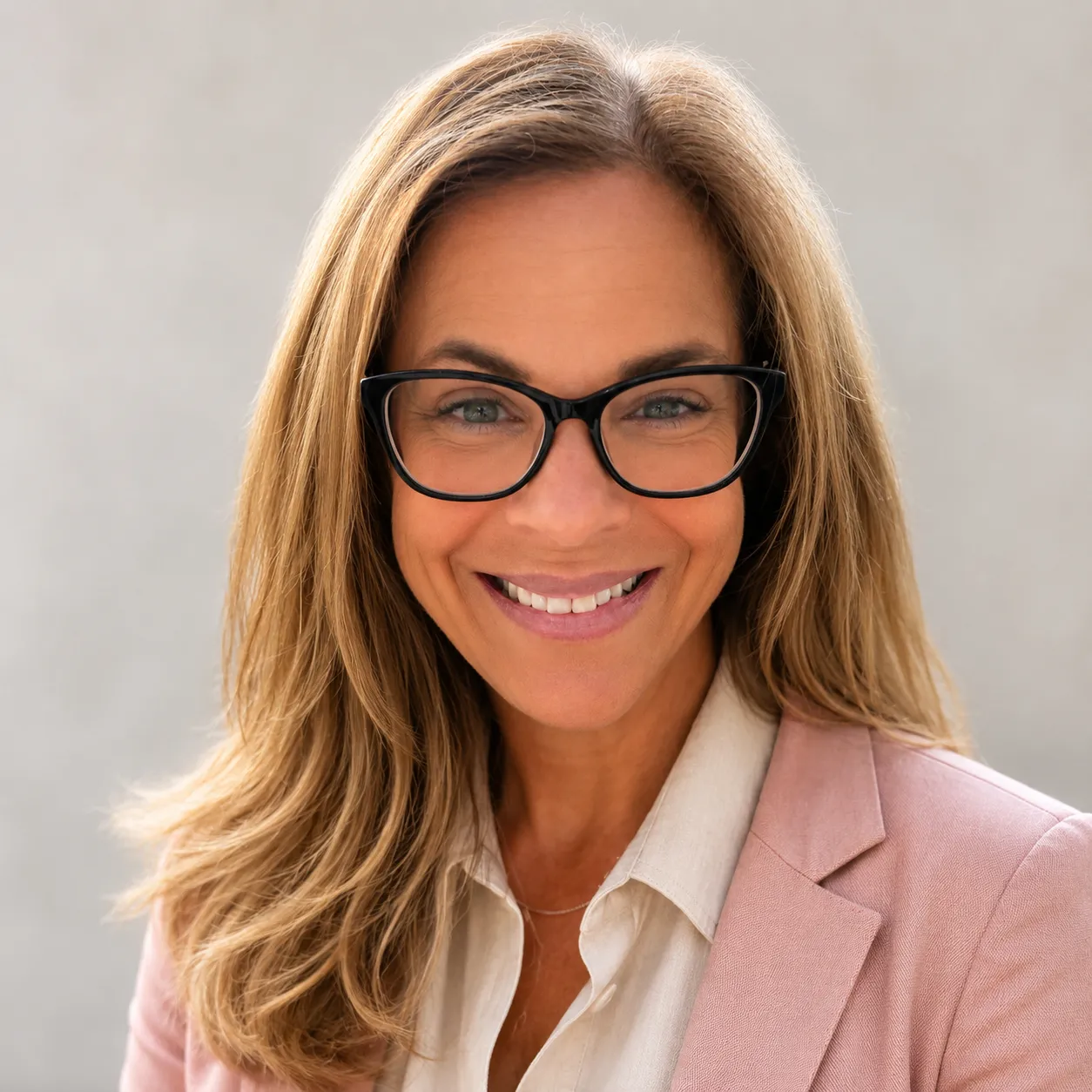
Pause, Ponder, Play: The Power of Time in Nature-Based Learning by Dr. Rachel Larimore
Dec 16, 2026

Learning Beyond the Fence: Safe and Meaningful Nature-Based Learning Outside the Fenced Play Area by Dr. Rachel Larimore
Jan 20, 2027
Frequently Asked Questions
How do I earn an official certificate?
Are there any prerequisites for attending a webinar?
Do you provide CEUs?
What is the format and learning environment of your live webinars?
How much does it cost to register for or attend a webinar?
How can I access an on-demand recording?
Can I earn a certificate by watching a recording?
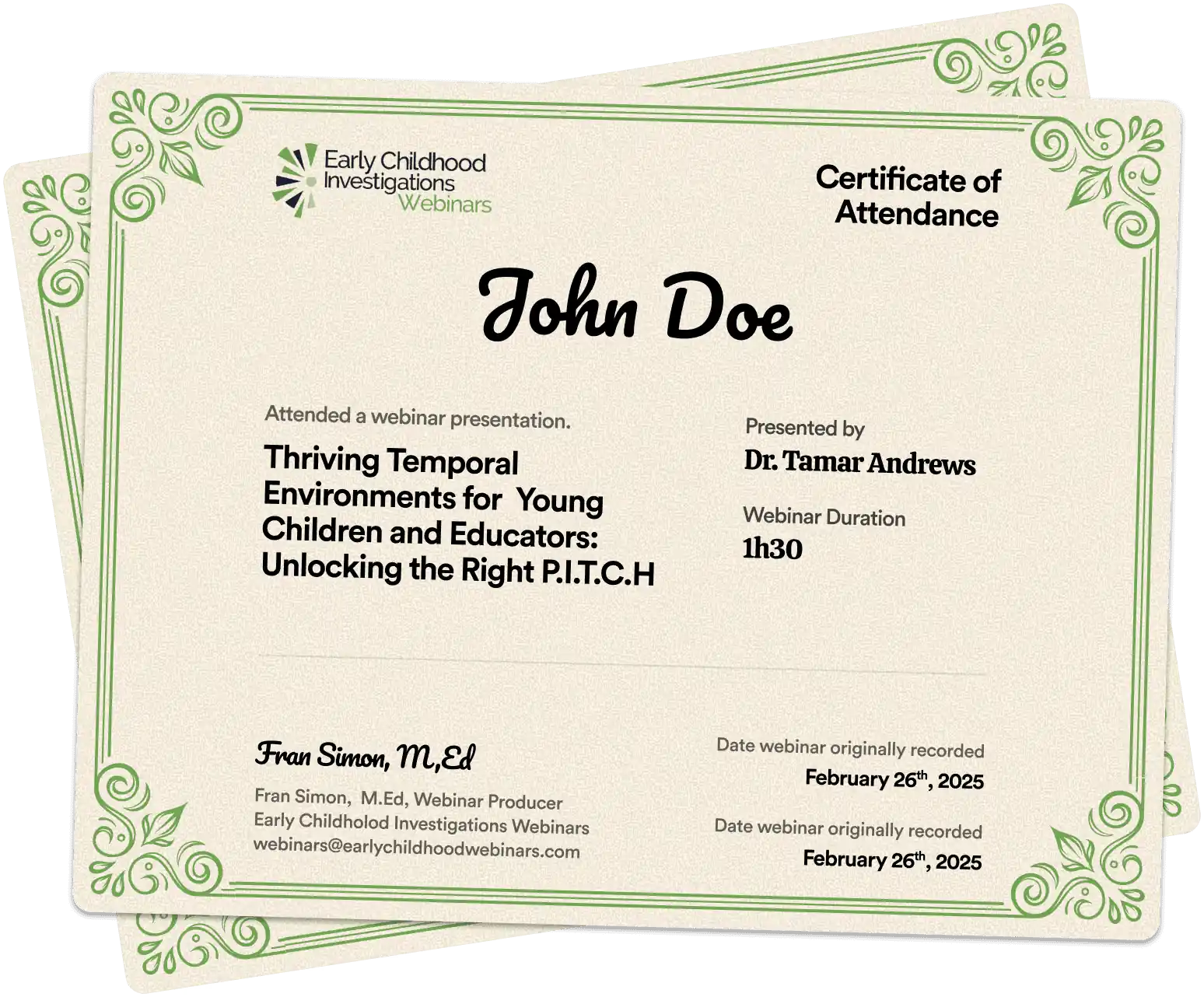
How do I earn a certificate of attendance?
If I'm attending with a group, can we all earn a certificate of attendnace?
Free Certificates of Attendance
Attend the live webinar and stay from the beginning to the very end to automatically receive an official, personalized certificate by email within one week of the live webinar.
If you arrive late to the live webinar or watch the recording, you can download the blank certificate by entering the link announced and displayed at the end of the webinar into your browser.