
A Calm Brain is a Thinking Brain: Designing calm, engaging early learning environments, by Dr. Kathryn Murray
2 PM - 3:30 PM EST
Register for link

About this webinar
Sponsored by Future Strong Education
Brains develop over time and respond to experiences and interactions. Playful interactions in an environment that supports brain development build security, confidence, and resilience and open opportunities for learning. Join award-winning early childhood education and environmental design specialist Dr. Kathryn Murray to unpack the reasons why classroom design is much more than where to put the furniture and how to use classroom design to support children’s development. In this insightful webinar, you will learn the original Brain-SET Environments Formula™ that integrates an understanding of brain development with foundations of early childhood environmental design and why it is important to harmonize the 3 levels of the brain, Survival, Emotions, and Thinking (S.E.T.) to ensure calm thinking and playful learning. As Katheryn explores Brain-SET's 3 Design Pillars and 16 Elements of Design, she will discuss photos that exemplify Brain-SET environments. You will learn how to create spaces that are purposefully curated to build skills using play and exploration as powerful motivators for learning. In this session, you will hear bout research, practical applications, and testimonials of successful Brain-SET learning environments from a range of centers. Learn how creating a Brain-SET environment ensures that ‘a calm brain is a thinking brain’ for teachers and children.
Upcoming Webinars
Our Voices Across Generations: AANHPI Educators in Early Childhood Education Panel
Oct 28, 2026
The Enrollment Hot Seat: A Live Marketing Workshop with Three Real Child Care Programs by Bruce Spurr
Nov 3, 2026

Boundaries vs. Requests: Setting Limits Without Escalation by Alyssa Blask Campbell
Nov 4, 2026
HuUbuntu: I Am Because We Are - Way of Life by Dr. Patrick Makokoro
Nov 5, 2026

Inspiring Terrific Toddlers 1: Why Do They Do That? Promoting Toddler Development to Reduce Frustrating Behaviors by Raelene Ostberg
Nov 11, 2026

When to Say When: Building Confidence in Supporting Neurodivergent and Developing Minds Part II: Direct Guidance, by Michele Hemenway Pullen
Nov 18, 2026
This is Your Brain on Fairytales: Storytelling, Neuroscience, and Connecting the Dots in Early Childhood by Stephanie Goloway
Nov 19, 2026

Hyperlocal Marketing: Turn Community Connections into Child Care Enrollment by Kate Woodward Young, M.Ed. and Carrie Casey
Dec 1, 2026
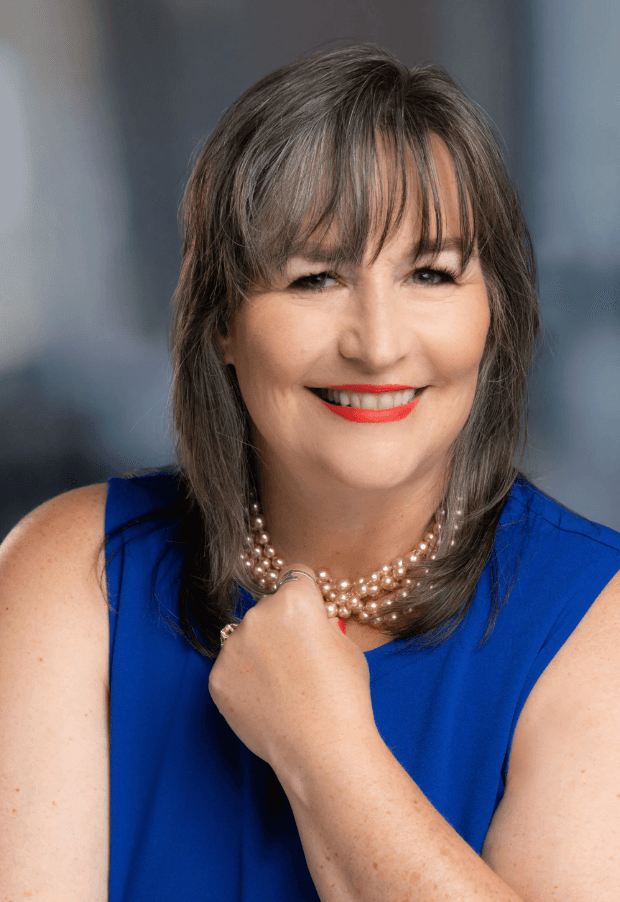
Talk, Play, Read, Sing: The Language Nutrition Approach to Creating Powerful Language Environments for Young Children by Jennifer Adams Oppenheimer
Dec 3, 2026

Ready for 2027? Need an Assistant? Let AI Help You Work Smarter by Monique Reynolds
Dec 8, 2026

Inspiring Terrific Toddlers 2: Evidence-Based Strategies to Set Effective Limits and Gain Gleeful Cooperation by Raelene Ostberg
Dec 9, 2026
Through the Child’s Eyes: Creating Responsive Classrooms Through Observation, Interaction, and Belonging by Lori Kowit, M.A.
Dec 10, 2026
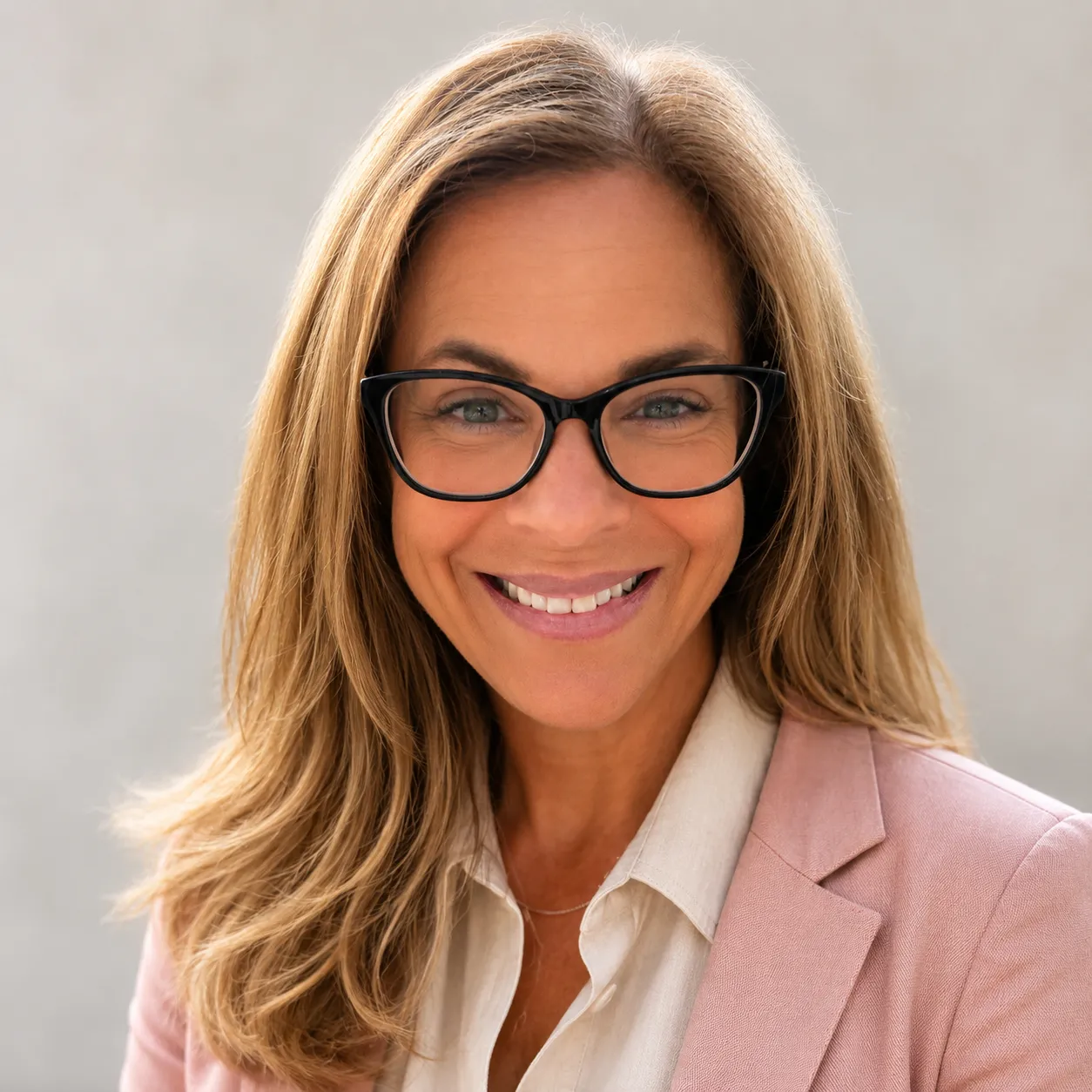
Pause, Ponder, Play: The Power of Time in Nature-Based Learning by Dr. Rachel Larimore
Dec 16, 2026

Improving Young Children's Self-Regulation and Healthy Eating Habits: Four Core Guidance Strategies by Sarah Braaten, Ph.D.
Dec 17, 2026
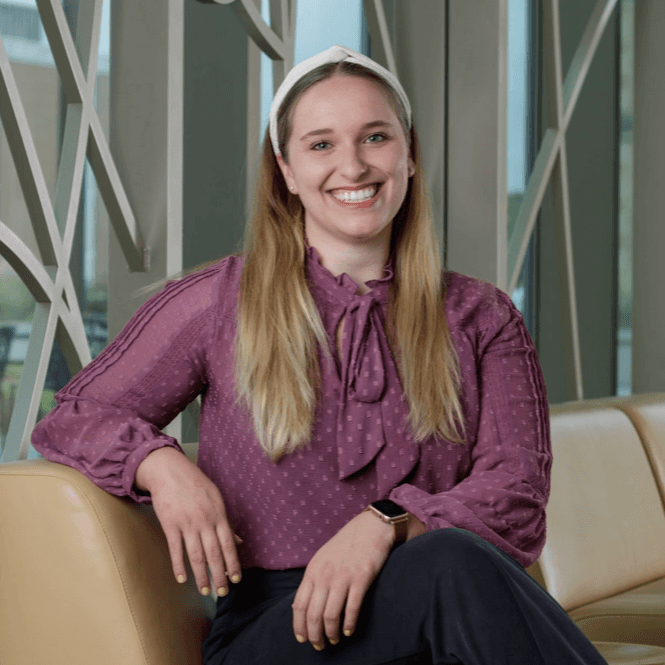
Say It. Mean It. Support It.: Accountability That Builds People by Melissa Blotter
Jan 7, 2027

From Observation to Action: Using Documentation and Assessment to Guide Curriculum Planning by Cynthia Terebush, MS, BCISE, CYPFC
Jan 13, 2027

Learning Beyond the Fence: Safe and Meaningful Nature-Based Learning Outside the Fenced Play Area by Dr. Rachel Larimore
Jan 20, 2027
Developmental Screening vs. Assessment: Why Do Both? by Cynthia Terebush, MS, BCISE, CYPFC
Feb 3, 2027
From Screen Time to Time Together: The Power of Just Ten Minutes of Play, Music, and Connection by Anne Meeker Watson, PhD, MT-BC, and Jennifer Adams Oppenheimer, MA, CCC-SLP, BCS-CL
Feb 4, 2027
What's on Your Plate? Supporting Self-Regulation and Healthy Eating Through Family-Style Mealtimes by Sarah Braaten, Ph.D.
Feb 10, 2027
Playful and Engaging Math Instruction for Young Children by Deborah Stipek
Feb 17, 2027

Frequently Asked Questions
How do I earn an official certificate?
Are there any prerequisites for attending a webinar?
Do you provide CEUs?
What is the format and learning environment of your live webinars?
How much does it cost to register for or attend a webinar?
How can I access an on-demand recording?
Can I earn a certificate by watching a recording?
How do I earn a certificate of attendance?
If I'm attending with a group, can we all earn a certificate of attendnace?
Free Certificates of Attendance
Attend the live webinar and stay from the beginning to the very end to automatically receive an official, personalized certificate by email within one week of the live webinar.
If you arrive late to the live webinar or watch the recording, you can download the blank certificate by entering the link announced and displayed at the end of the webinar into your browser.